I Went to Toronto Alone—and Stepped Outside the CN Tower Because I Could
A breakup changed the passenger list, a family loss changed the emotional weight of the weekend, and Toronto reminded me why I do not cancel my own life when someone else leaves it.

The Toronto trip was originally planned for two.
I had chosen it as a quick, easy international getaway for someone who had never traveled outside the United States except on a cruise from Galveston. I booked the flights, paid for tours, and splurged on the Bisha Hotel Toronto. Then, about a month before departure, the relationship ended.
He told me to cancel the trip.
I canceled his portion—why would I not go? I had never been to Toronto or Canada. The city had not broken up with me.
I sent him a check based on the full value of his portion because I was not sure how much he had actually paid. The trip had originally been intended as a birthday trip for him, and I had spent more than usual. Sending the larger amount felt like the safest and cleanest way to close that chapter.
Everything else remained the same.
Well, kind of.
From July 4–7, 2024, I traveled to Toronto alone. What began as a trip designed around another person became a weekend where I could run before sunrise, explore at my own pace, and add an EdgeWalk outside the CN Tower simply because I wanted to.
It also became the trip when I received a heartbreaking call from home.
A Hotel Splurge and an Easy City to Explore
I flew from San Antonio to Toronto with a connection in Chicago and stayed at the Bisha Hotel Toronto. The hotel cost $994.94, but my American Express benefits included a $300 credit, a $100 hotel credit, and a room upgrade, which made the splurge easier to justify.
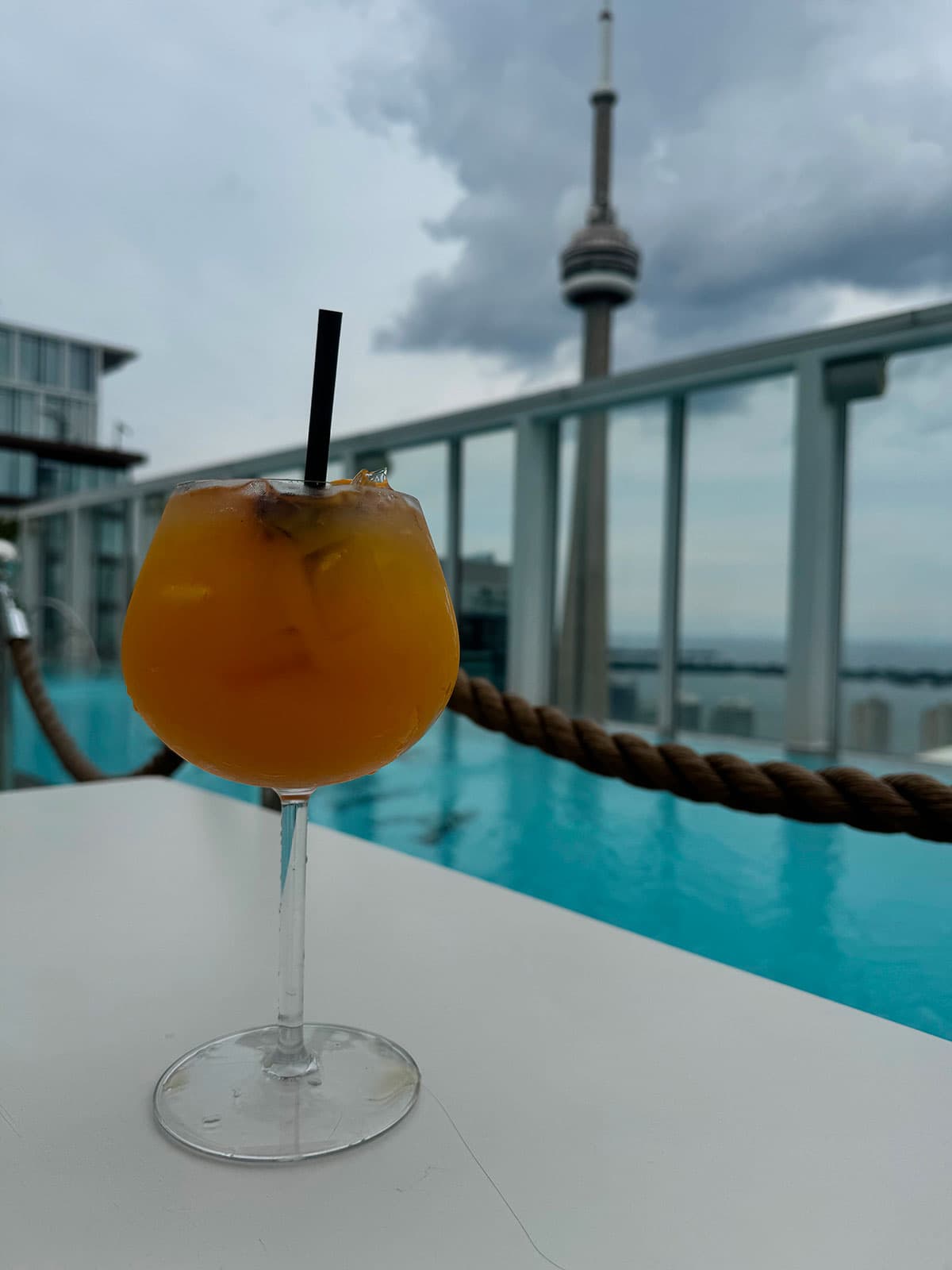
The hotel itself was really nice. The staff were great, and the central location made it convenient for exploring the city. I did not order room service, but I enjoyed dinner and a drink at the rooftop restaurant. I used the $100 hotel credit for coffee and breakfast.
Toronto felt easy to explore independently. I did not use public transportation; I walked or ran to many of the places I wanted to see, using rideshares when the distance made more sense—such as the trip to Casa Loma and the ride to St. Lawrence Market. English is widely spoken, dress is casual, and I did not feel overwhelmed navigating the city by myself.
Because I visited during the United States' Fourth of July weekend rather than a Canadian holiday, many attractions were less crowded than I expected. That changed when the Toronto Blue Jays played. The sidewalks and streets near the stadium became packed, so checking the team's home schedule is a practical step even if baseball is not part of your plans.
And one universal travel rule still applied: use a restroom when one is available. You never know how far you will walk before finding the next one.
Before Toronto Woke Up
As in many cities I visit, some of my favorite exploring happened early in the morning.
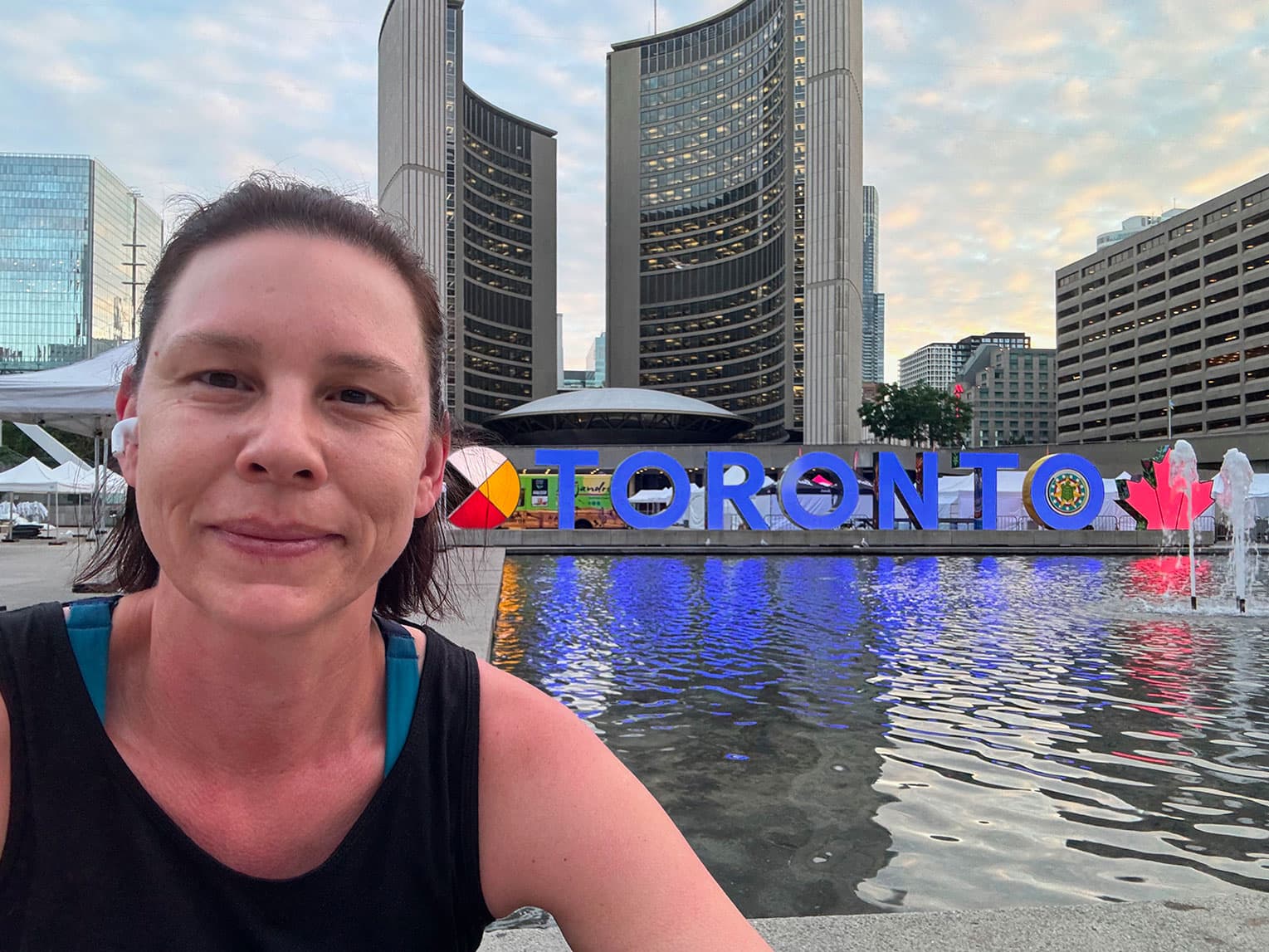
I ran while downtown Toronto was still quiet, building routes around landmarks and unusual finds. Those mornings took me past Nathan Phillips Square, St. Michael's Cathedral Basilica, the Toronto Music Garden, Graffiti Alley, the Chinese Railroad Workers Memorial, Ireland Park, Queen's Park, Philosopher's Walk, and two of the city's architectural oddities: the Half House and Cube House.
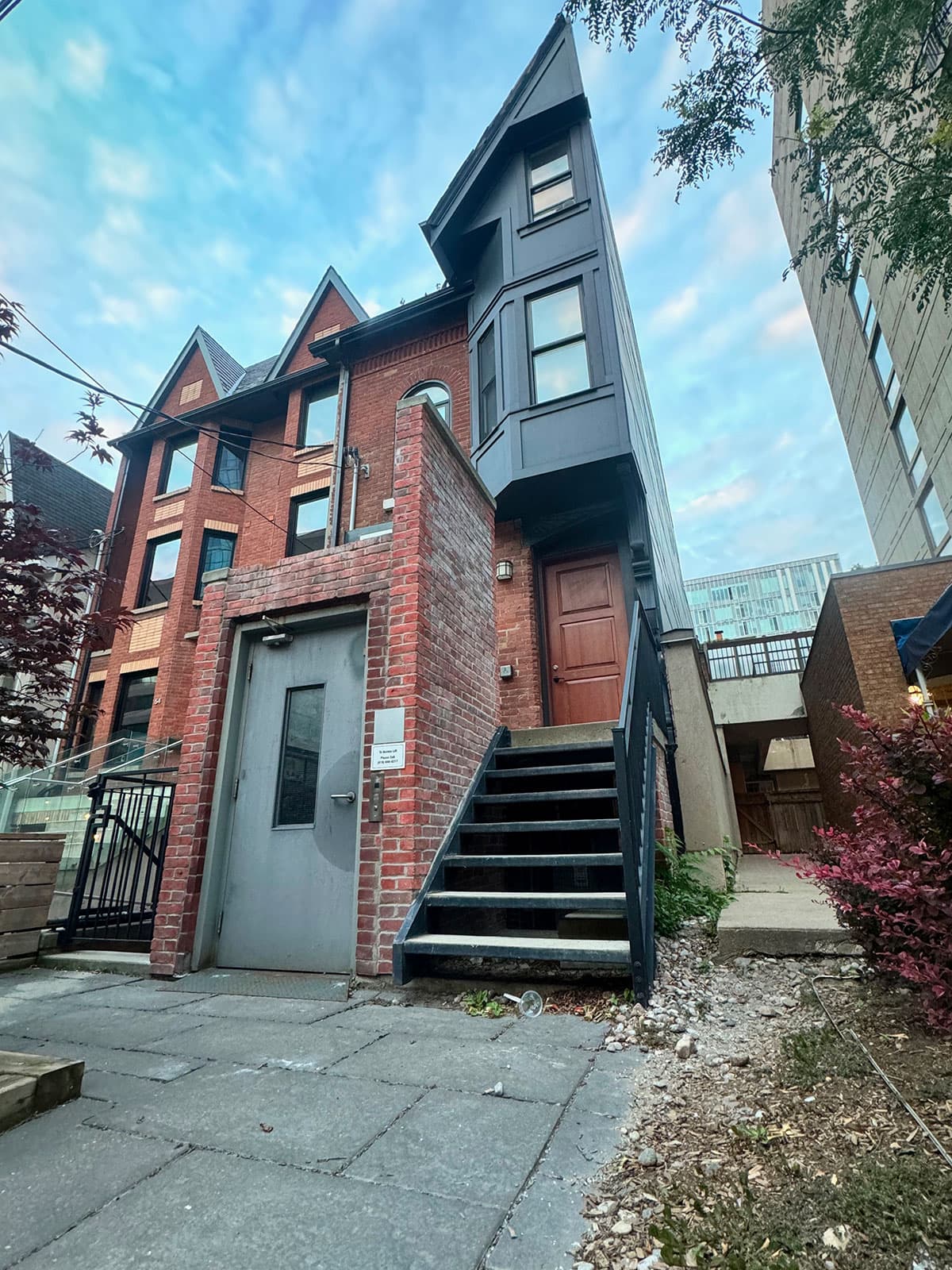
The Half House is exactly what its name promises. It looks like someone sliced a residence down the middle and left one half standing. Seeing it in person made me laugh because there was no exaggeration in the description—it truly is half a house.
These early runs gave me a free sightseeing tour of architecture, memorials, gardens, street art, and neighborhoods. The streets were calm when I began, and more people appeared as the morning progressed. For travelers who like to explore without spending much, Toronto offers plenty to discover on foot—although souvenirs may still get you.
The Toronto Music Garden was another worthwhile stop. Its paths provided a quieter contrast to the towers and traffic downtown, and it was popular without feeling inaccessible.
Walking Outside the CN Tower
An observation deck in a tall building is familiar territory. You ride an elevator, learn how and when the structure was built, and look at the city through glass.
The CN Tower offered something different: the chance to walk outside it.
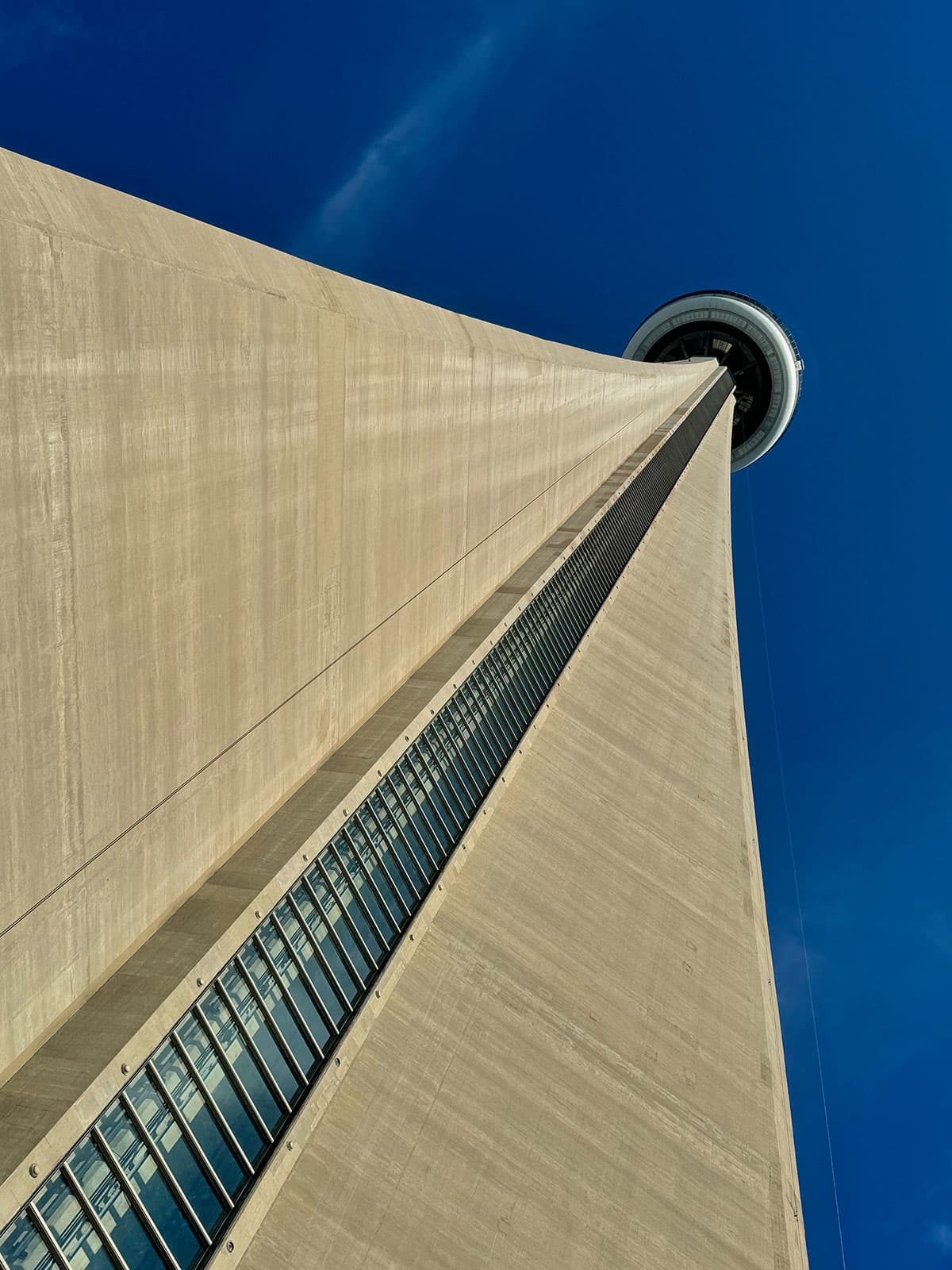
I had initially purchased regular admission. Once I arrived, I saw the EdgeWalk advertisement and I booked it—because I could. Participants wear harnesses and step onto an exterior ledge high above Toronto with no windows or walls blocking the view. The route circles the tower, creating an open, 360-degree look at the city.
That was the most exciting and impressive part of my CN Tower visit—and really, of the entire trip. I was secured, of course, but standing outside with nothing between me and the skyline transformed a familiar observation-tower experience into an actual adventure. I had a blast.
If EdgeWalk already interests you, buy the appropriate package from the beginning. Because I first purchased only admission and added EdgeWalk later, I had to email about reimbursement for the duplicate admission portion. The refund took some time, although I did eventually receive it.
My CN Tower admission and EdgeWalk cost $199 in total. It was worth it—not merely for the view, but because it gave the weekend its clearest moment of freedom. The original travel partner was gone. I did not have to negotiate the addition, listen to complaints, or abandon something I wanted to do because another person objected.
I could step outside the tower, so I did.
Markets, Castles, and a History Lesson I Apparently Slept Through

St. Lawrence Market came recommended by a friend, and it lived up to the suggestion. It was quite a distance, so I used a rideshare rather than adding more miles to an already active weekend. The market was a good place to explore and find something to eat, and it felt like a stop with local character rather than another observation deck or formal attraction.

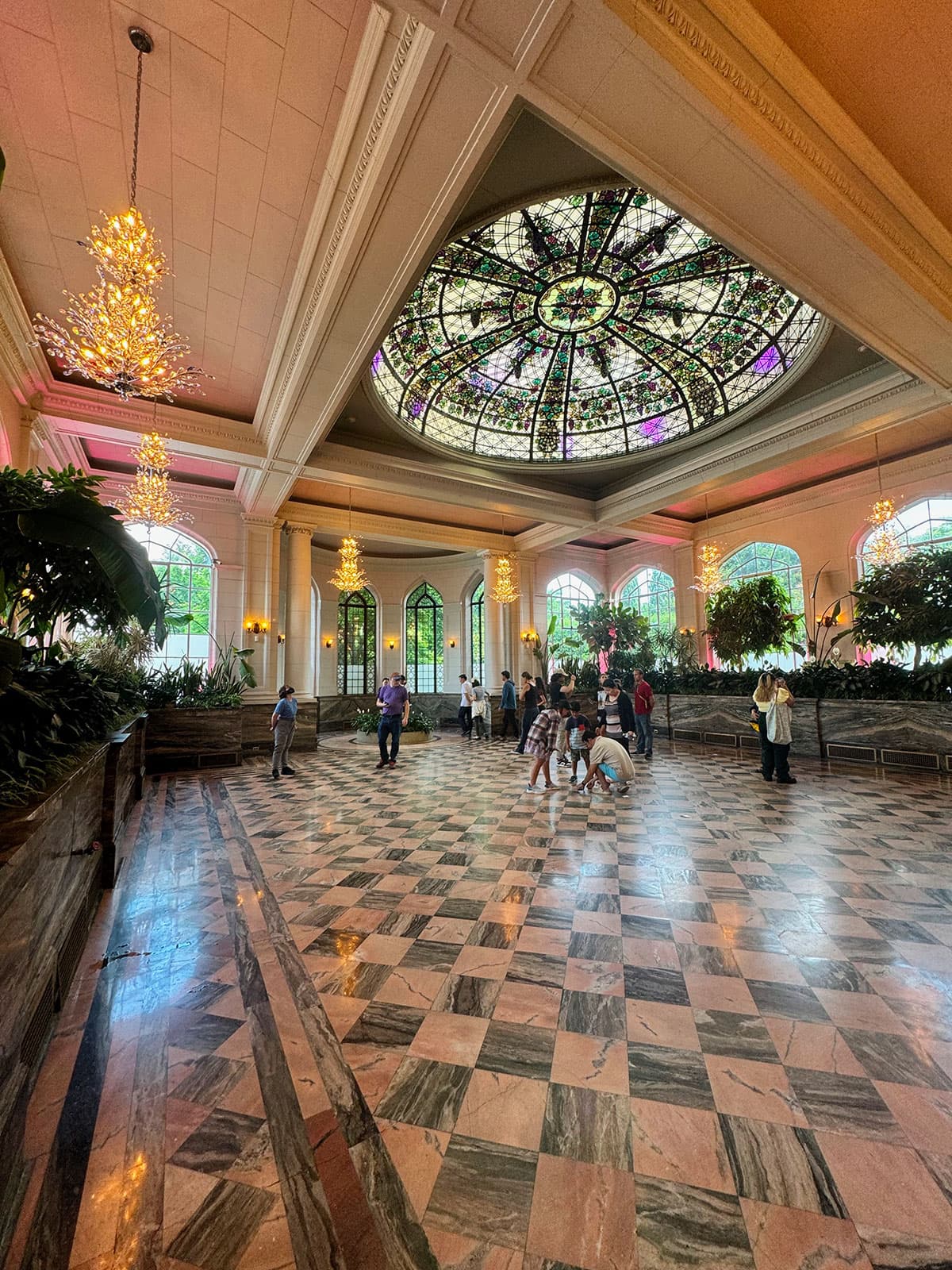
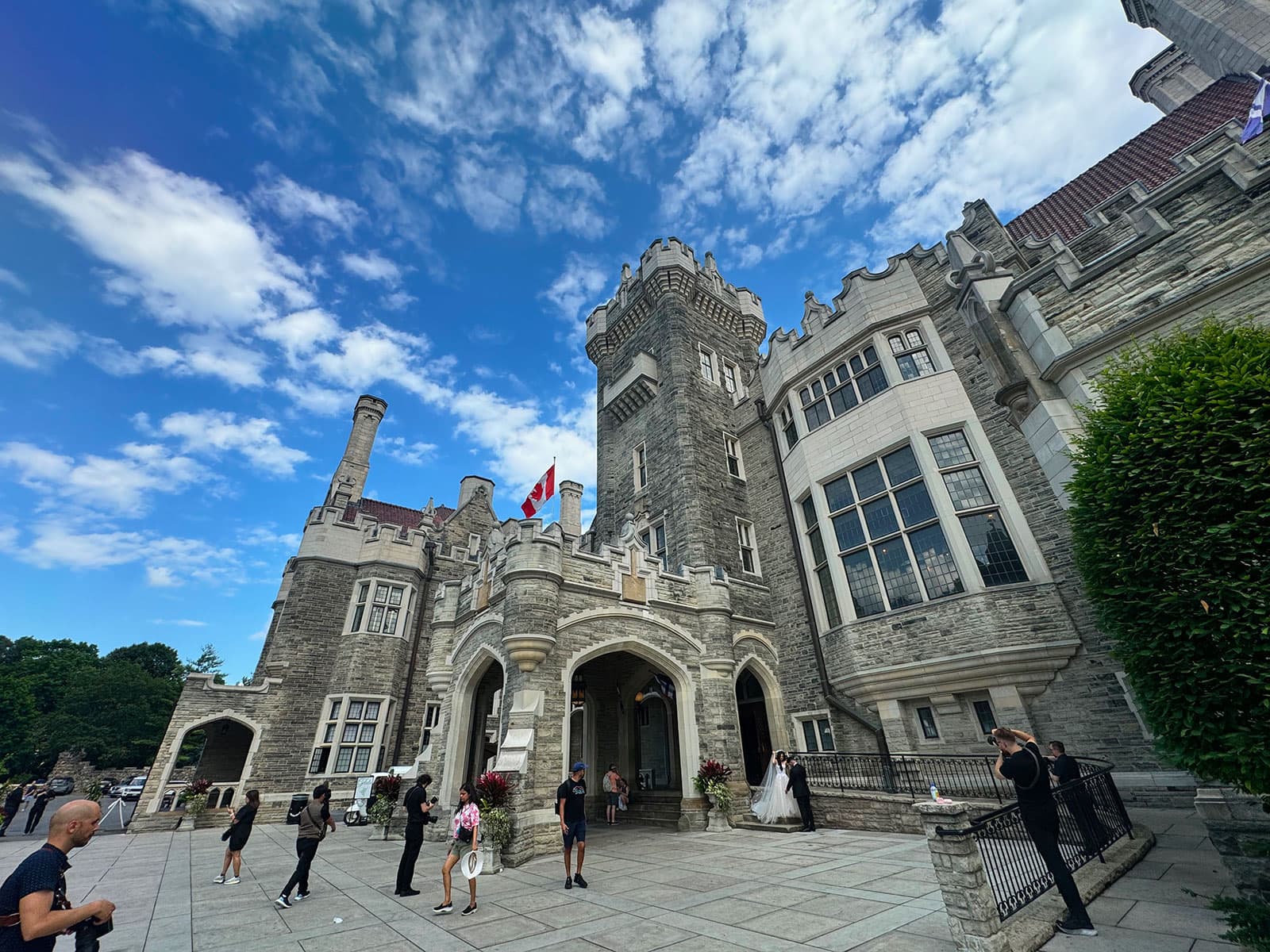
Casa Loma required another rideshare because of the distance, although I walked back afterward. The castle-like property contained room after room of antiques and exhibits about the people connected to it. One room also covered military conflicts and service members, giving the visit more historical substance than I expected from the dramatic exterior alone.
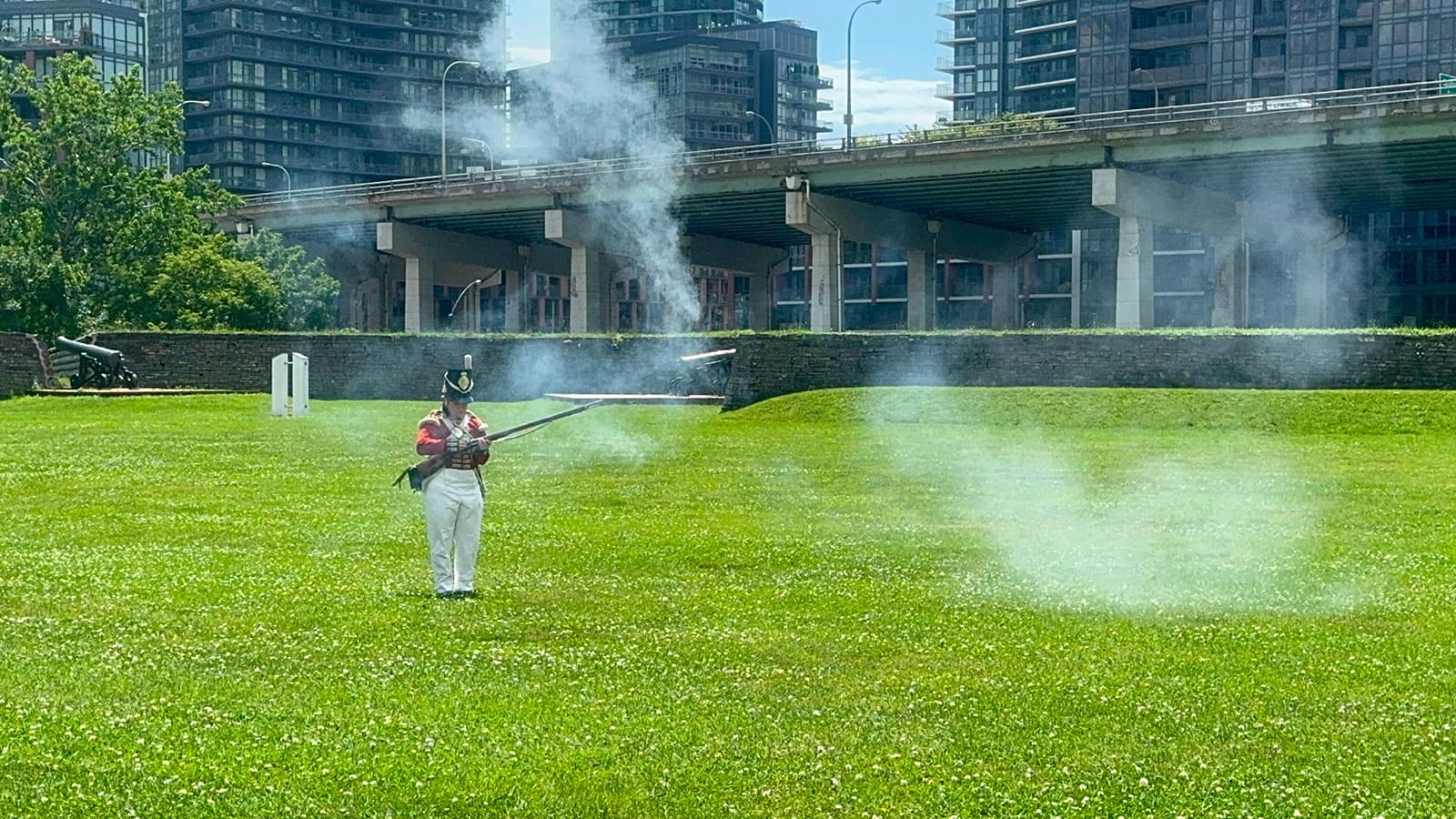
Fort York taught me something I apparently missed—or slept through—in school: the United States and Canada had once been at war. I enjoyed filling that gap in my knowledge while walking through the historic site.
A musket demonstration made the history physical. When the musket fired, I could smell the gunpowder and watch the smoke linger in the air. There were not many people gathered for the demonstration, and neither Fort York nor Casa Loma felt especially crowded during my visit.
Both were worth my time and money, particularly as someone who enjoys history. I would not necessarily need to repeat them on a second visit, but I was glad I experienced each once.
Niagara Falls After Iguazú
I booked a Niagara Falls day-and-evening tour through Viator for $231.93. The price included the boat ride and dinner. The meal was not the greatest I have ever had, but it was good. The guide drove our small group of five from Toronto. Along the way, we stopped at Maple Leaf Place for a syrup tasting—yes, syrup—and visited a few additional sights before reaching the falls.
Then came the boat ride, where “getting misted” may be a polite description for how wet you can become near the water.
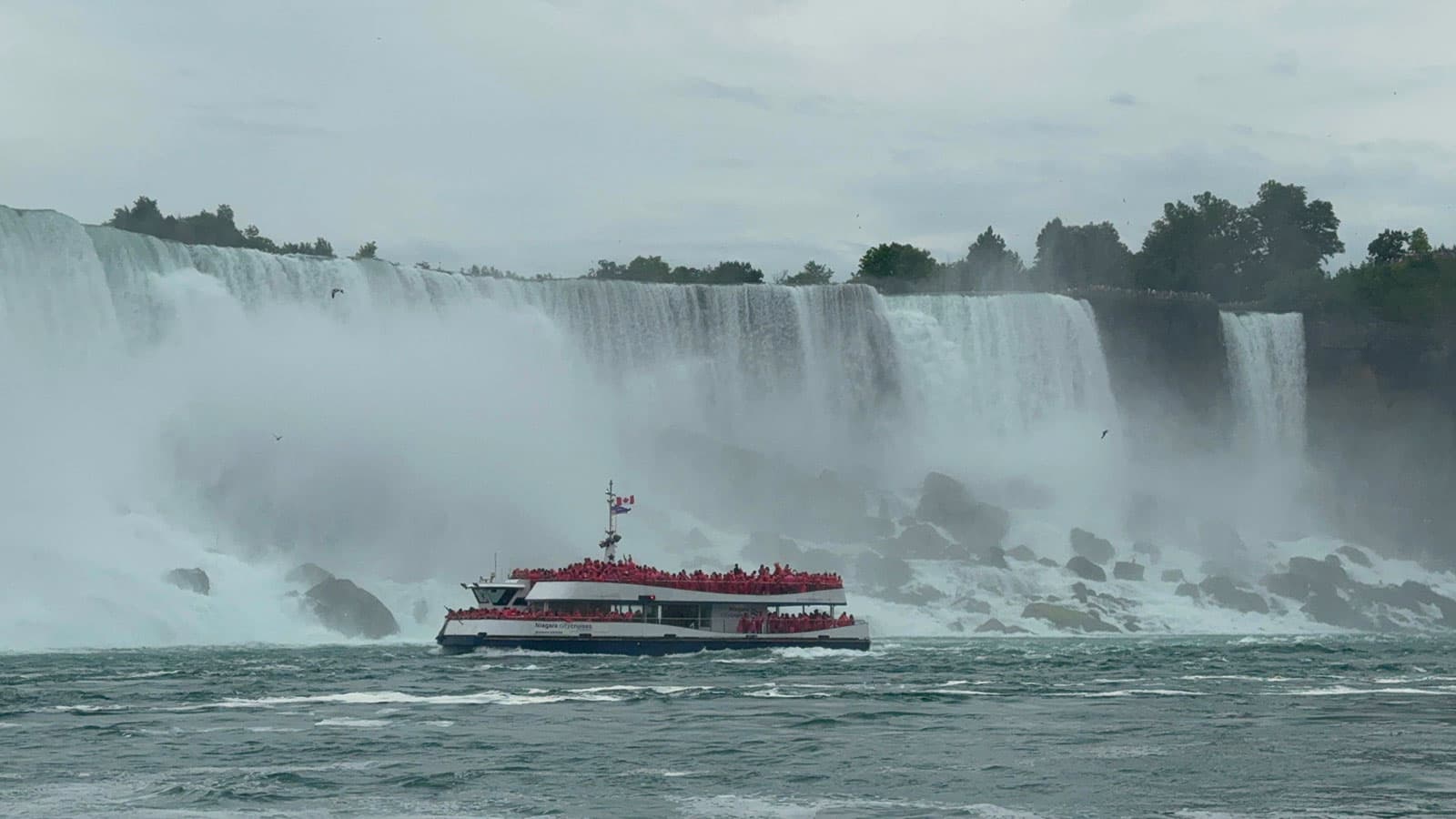
My reaction to Niagara Falls requires some context. About six months earlier, I had visited Iguazú Falls, a vast system of approximately 275 individual waterfalls. After that experience, seeing Niagara's main cascade between Canada and the United States felt smaller than I expected. The comparison made me laugh—not because Niagara was unimpressive, but because I had unknowingly spoiled the order in which I saw them.
If Niagara Falls will be your first major waterfall, go. Start there. Then work your way toward the even larger systems at Iguazú and Victoria Falls.
With that said, Niagara became much more impressive after dark. Colored lights illuminated the water, changing its appearance as the night progressed. Then fireworks began. First the American side and then the Canadian side. I was standing in Canada, looking across the river toward the United States while fireworks lit the sky. That was pretty amazing.
The surrounding area was crowded, but security was visible, and there were plenty of restaurants and other entertainment nearby. If the falls themselves do not occupy you for an entire visit, the surrounding district gives you other options.
The full-day tour worked well for me because someone else handled the driving, stops, and timing. It allowed me to experience the boat ride, daylight views, illumination, and fireworks without planning a late return to Toronto on my own.
The Phone Call I Could Not Outrun
The hardest part of the trip had nothing to do with heights, crowds, or logistics.
One morning, after returning from a run, I was in the shower when my son called. Our 12-year-old dog, Jax—who had “gone to college” with him—was not doing well. Jax was a yellow Lab–golden retriever mix with the sweetest heart and the ability to show off two toys in his mouth at the same time.
We already knew the cancer had returned. Because of our dog's age, we had decided not to put him through additional treatment. I had repeatedly asked my son how he was doing after the veterinary appointment. Each time, the answer had been that he was fine and acting normal.
Then, just like that, he was not.
Of course, it happened while I was traveling.
My son was upset, and I did not want him driving in that condition. From my hotel room in Toronto, I began calling veterinarian services to find someone who could go to his apartment. I coordinated what needed to happen, then called my son back and explained the plan.
I ended the call in tears—big tears. We were losing a four-legged member of our family who had been with us for years, and I could not be there in person or sit beside my son during something I had dreaded for a long time.
Solo travel can feel liberating, but it does not make you unreachable. You can be capable and independent, but when you are far from home and an event such as this takes place, you can feel helpless.
What Going Alone Changed
This was not a trip that gave me a dramatic new confidence boost. I already knew I could travel alone.
What changed was the atmosphere.
I was happy not to hear complaining. I did not have someone wanting to change the plan after we had already reached a destination instead of offering suggestions when I asked. I could run early, walk long distances, learn about a war I apparently slept through in history class, add EdgeWalk, and decide for myself how long to stay.
The trip was not joyful from beginning to end. No honest travel story is. It contained adventure, history, an underwhelming first look at a famous waterfall, an unforgettable nighttime view, and a painful family moment I managed from another country.
But I did not cancel Toronto merely because the person originally attached to the reservation was no longer attached to my life.
That may be the most important part of the story.
Practical Details From My Trip
Dates: July 4–7, 2024
Airfare: $1,147.80
Bisha Hotel Toronto: $994.94 before a $300 American Express credit; benefits also included a $100 hotel credit and a room upgrade
Niagara Falls day-and-evening tour: $231.93, including the boat ride and dinner
CN Tower admission with EdgeWalk: $199 total
Transportation: Walking and running, with rideshares for longer distances; I did not use public transportation
Crowd warning: Check whether the Toronto Blue Jays are playing at home, especially if you are staying near the stadium
These prices reflect what I paid in 2024 and should not be treated as current rates.
Is Toronto a Good First International Trip?
Yes. Toronto is a strong choice for someone interested in international travel who does not know where to begin. From the United States, it can be a relatively easy trip. English is widely spoken, and downtown is easy to manage independently. The city offers major attractions, history, neighborhoods, markets, gardens, street art, and unusual architecture without requiring every hour to be organized through a tour.
My honest verdict is that Toronto made a good long-weekend destination—and an even better reminder that another person's departure does not require me to abandon plans I still want.
I went alone.
I stepped outside the CN Tower.
And I did not miss the complaining.