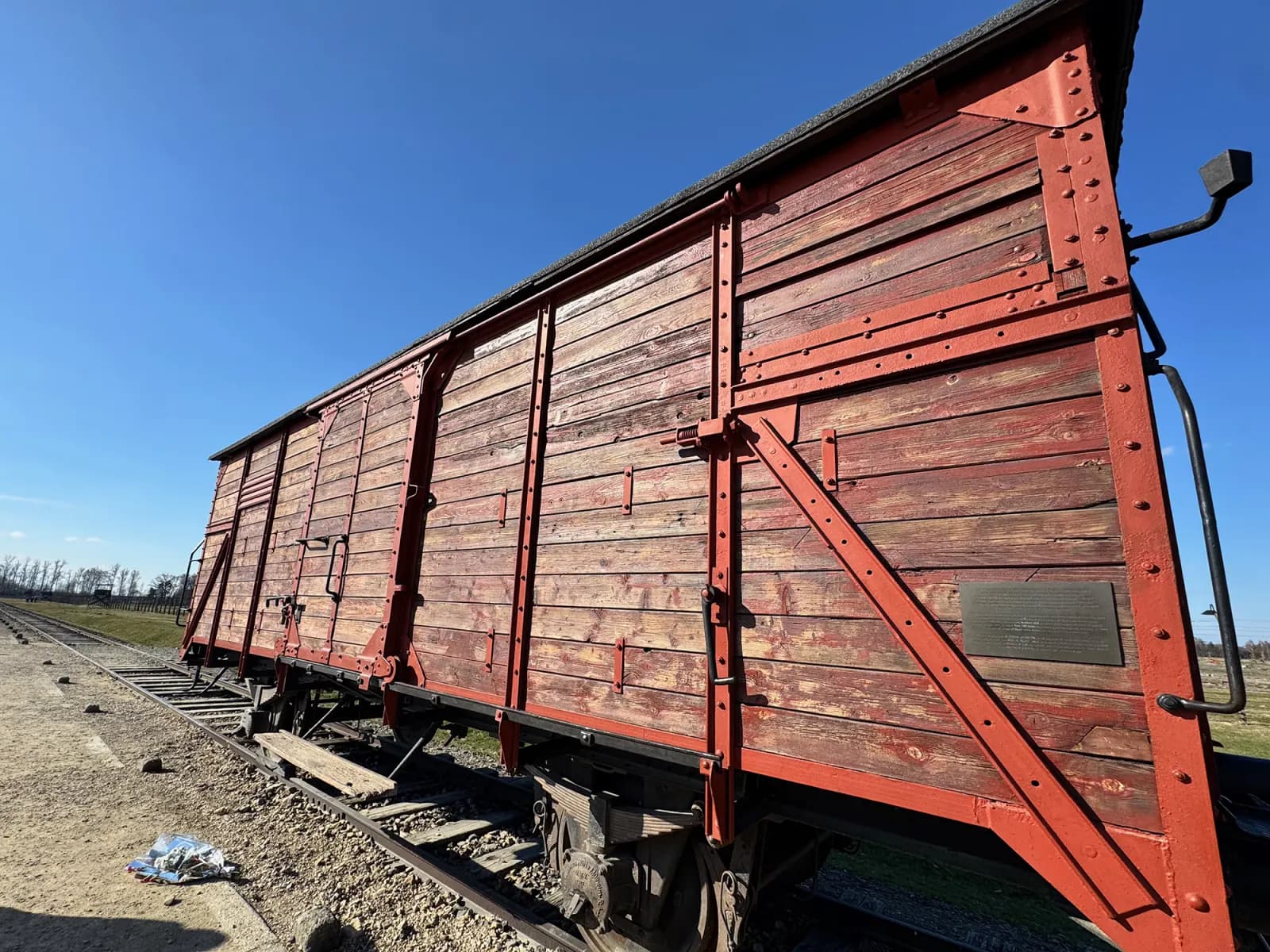
Camera Instead of Camo: What Normandy Meant to Me
A veteran’s visit to the Normandy American Cemetery became the most emotional stop of her first independent international journey.
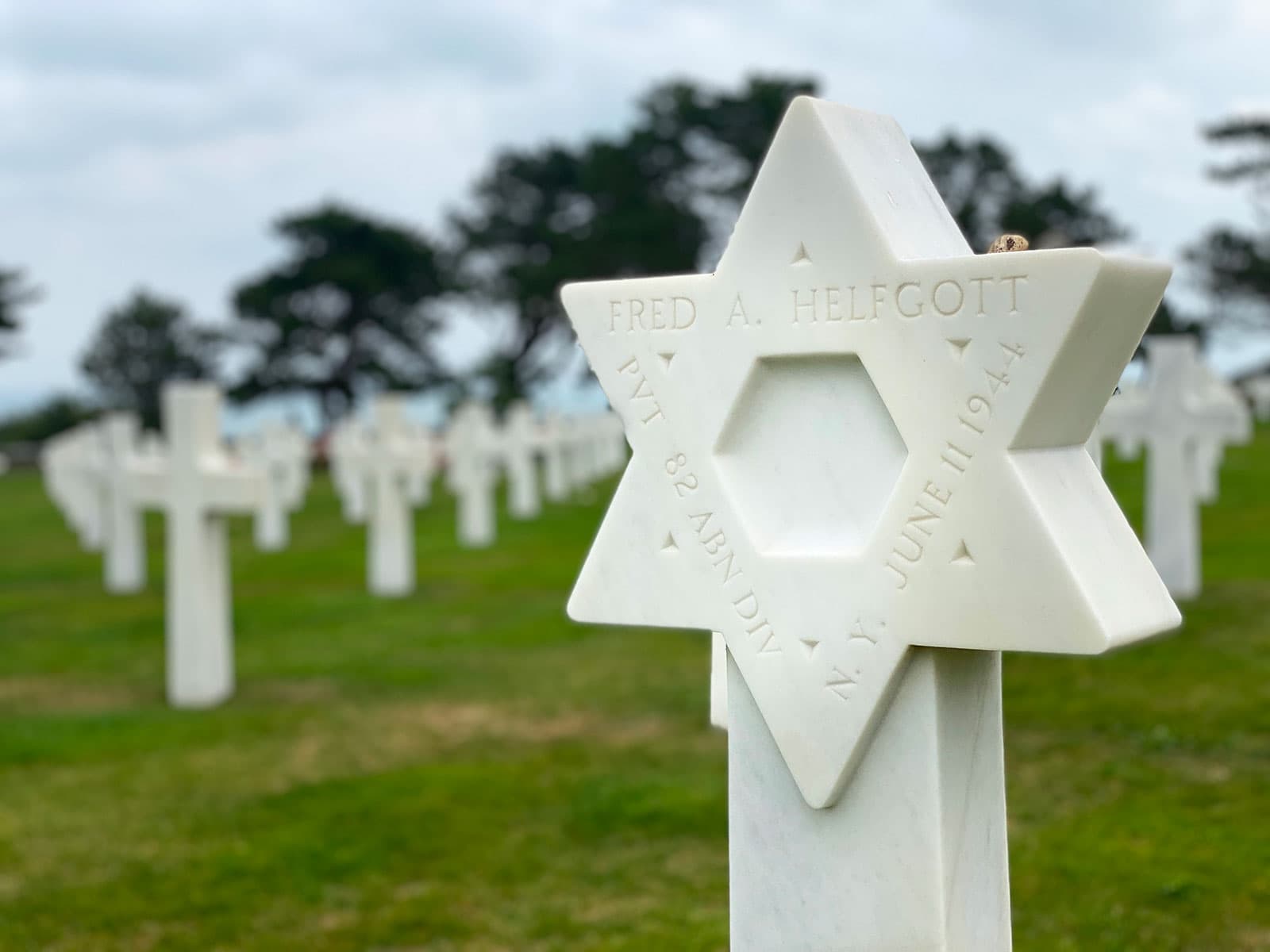
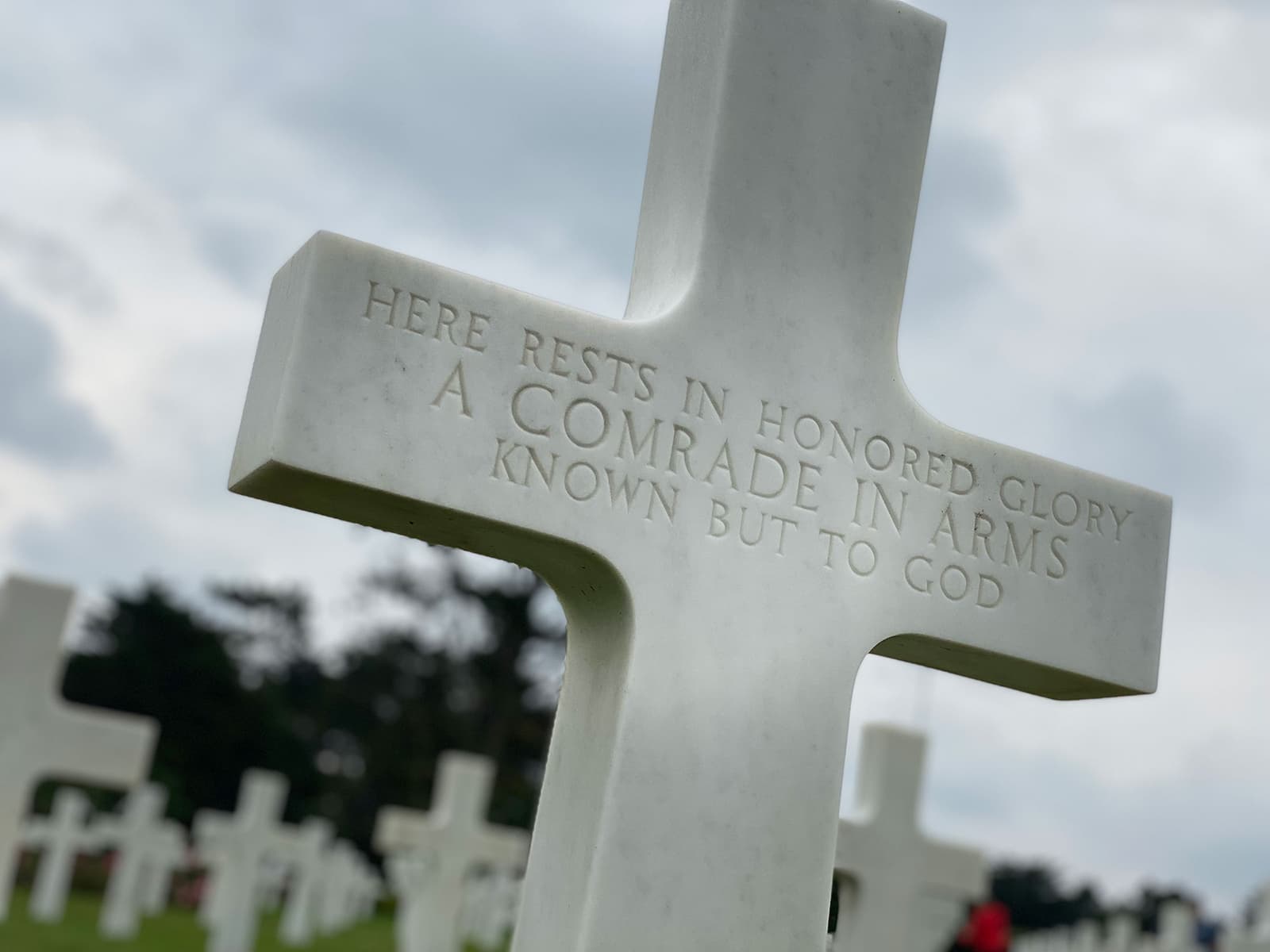
The image that stays with me begins with trees like a curtain on a stage. Our full-day Carnival excursion from Le Havre had already stopped near the Juno and Gold landing areas and at Arromanches. Later, after looking from the bluffs toward the Normandy coast, we reached the cemetery at Colleville-sur-Mer. When we turned the corner and moved past the curtain of trees, the view opened into rows upon rows of headstones—mostly crosses, with Stars of David among them. I had seen photographs and movies. Standing there, seeing them firsthand was different.
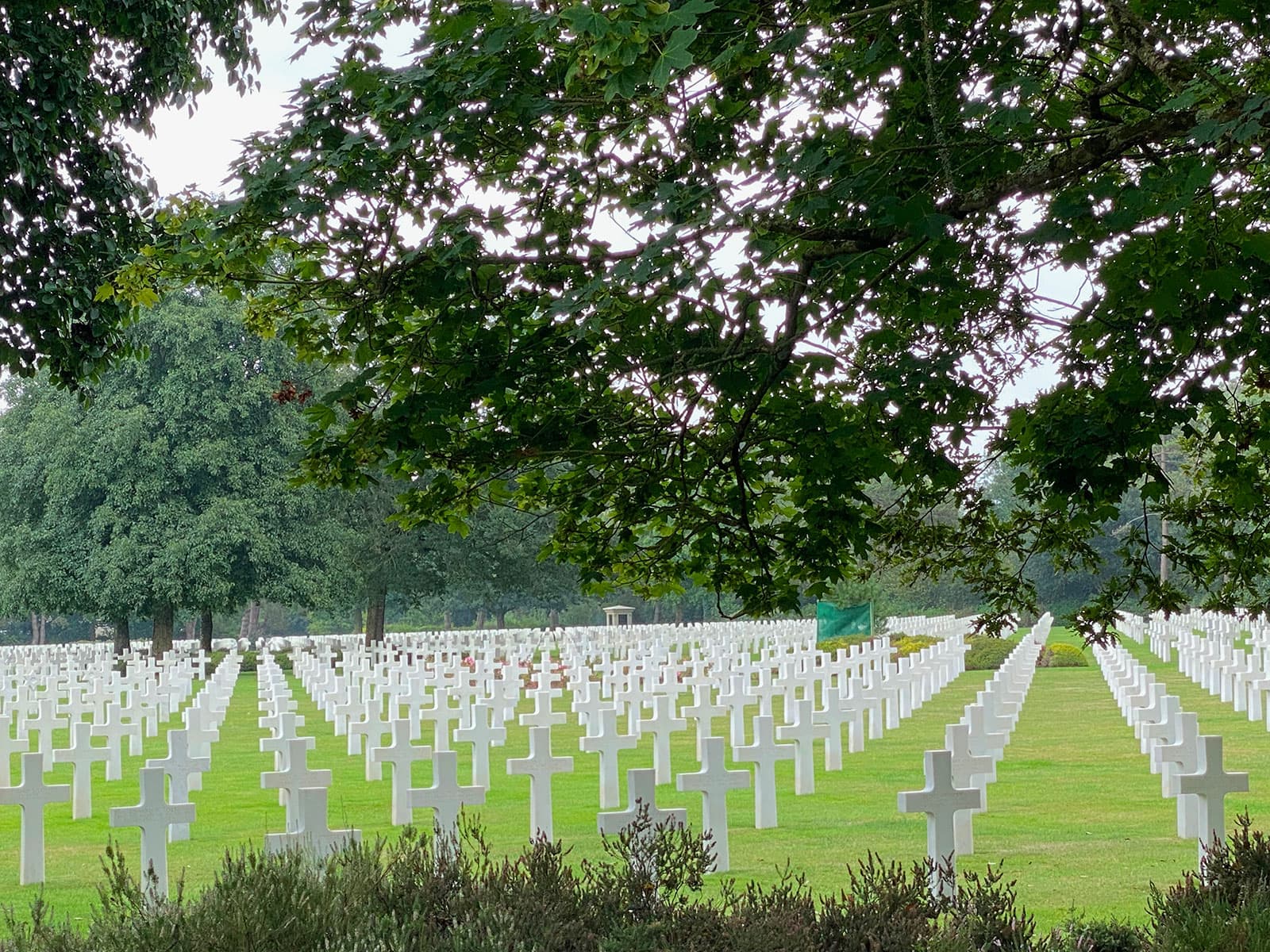
There was no speech that prepared me for the reveal. Grown men sobbed. I teared up too. The cemetery covers 172.5 acres and contains the graves of more than 9,000 American service members who didn’t make it home. Seeing all of those markers took my breath away. After the guide shared a few facts and our meet-up instructions, we were given time on our own. Some visitors located loved ones; others paid their respects to strangers who made the ultimate sacrifice. I was among the latter, reading the markers and documenting what I experienced, so I could share it with family members who will likely never get a passport, much less travel to Europe.
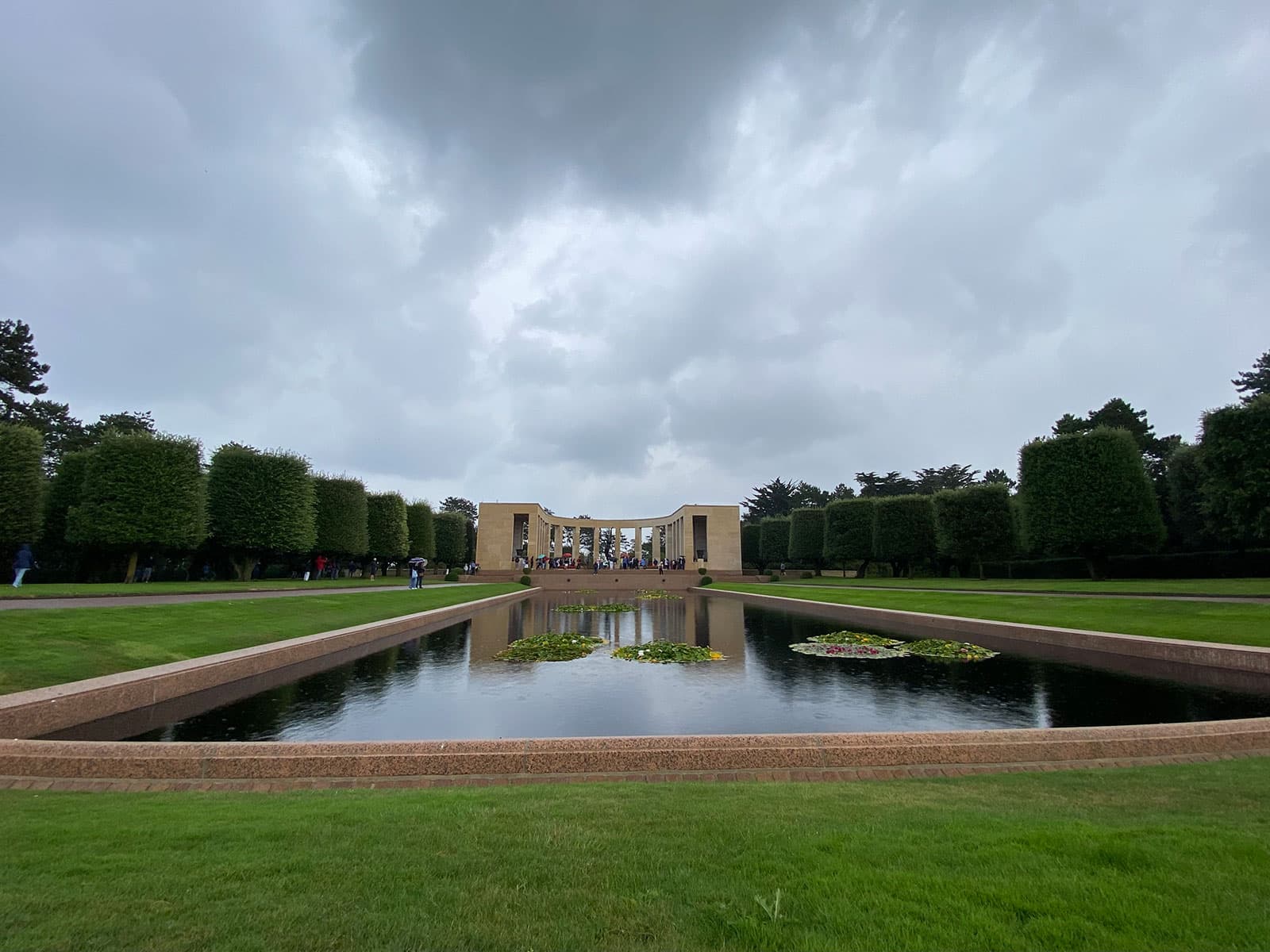
As I made my way toward the memorial and reflecting pool, a bugle began playing Taps. I stood in the rain, looking up at the American flag waving in the wind, and bawled as 24 simple notes reached past history lessons and into something more personal. My Air Force service shaped the way I understood sacrifice, the difference between coming home and never returning, and what that bugle call represented.
This visit was part of my first independent international vacation, and that contrast mattered. I was seeing Europe with an iPhone instead of camouflage and government-issued equipment. Normandy reminded me that travel is not always about joyful moments. A destination sometimes requires even me to slow down, listen, and witness rather than consume.
The day also included a decidedly unceremonious moment. After my emotional moment in the rain, I realized I had just enough time to use the water closet (restroom) and return to the bus. I quickly turned the corner passing through the doorway, caught air, and landed right-side first on the granite floor. One moment I was overwhelmed by grief; the next I was on a restroom floor in France, tears still on my face, laughing at myself.
NOTE: I would encourage visitors to arrive prepared for a place of remembrance. The full-day excursion involved significant time on the motorcoach, moderate walking, outdoor memorial sites, clifftops, and a lunch (though some of us thought it was inedible). Comfortable shoes and practical planning matter, but so do restraint and respect. This is not a backdrop for a triumphant selfie. It is a place to remember people whose lives became the cost of history, and while most of you might say, “Jen, that’s obvious.” To some, it isn’t. You would be amazed to see where people have taken selfies, but that story is for another day.