Antarctica Was Worth Every Cent—and Every Frozen Finger
A canceled flight, the Drake Passage, humpbacks, penguins, a polar plunge, and one unforgettable night on the White Continent turned a long-planned expedition into the trip of a lifetime.
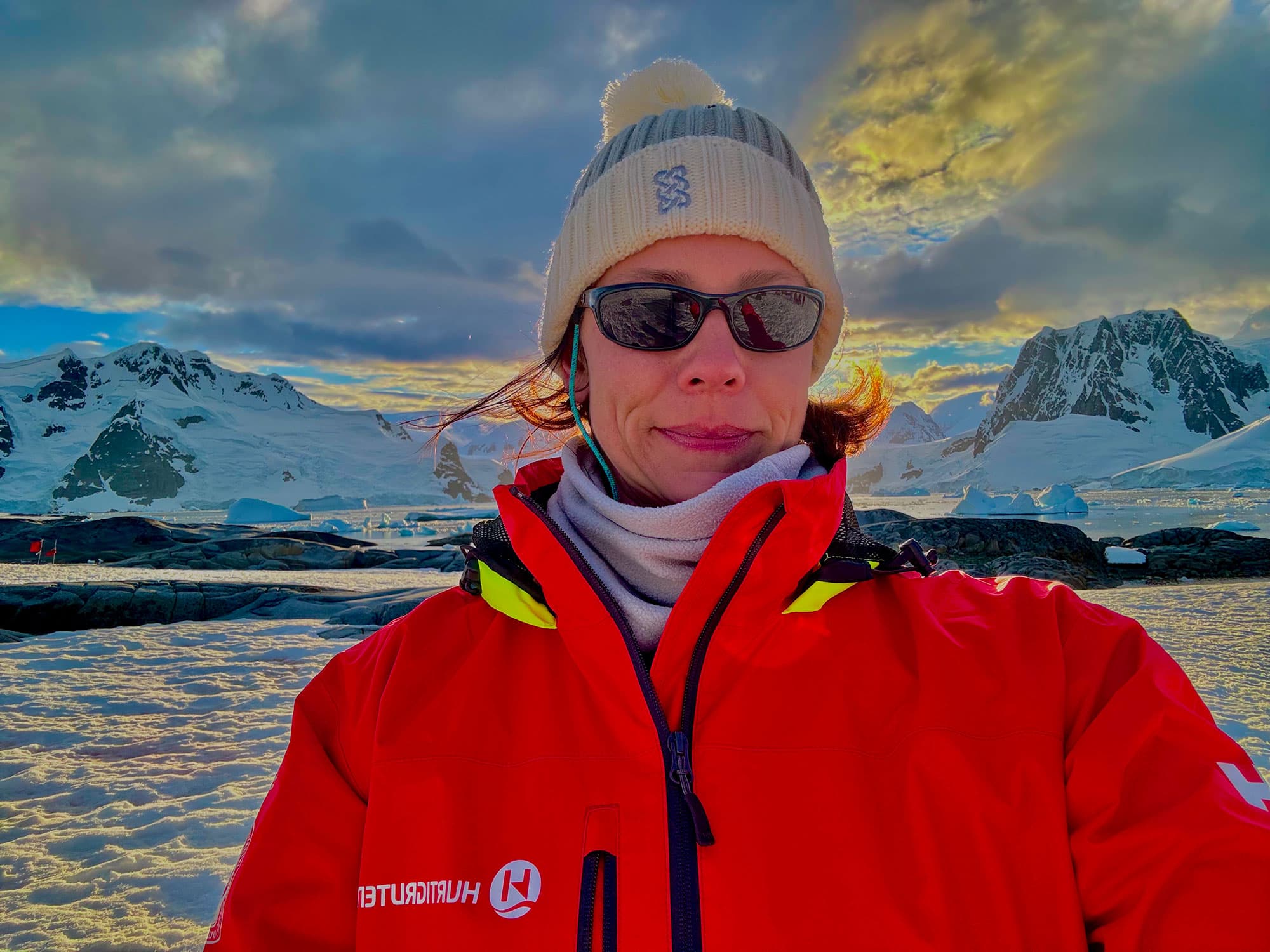
“By the first day in a Zodiac, watching humpback whales dive close enough to show us their tails, I knew the trip was worth every single cent.”
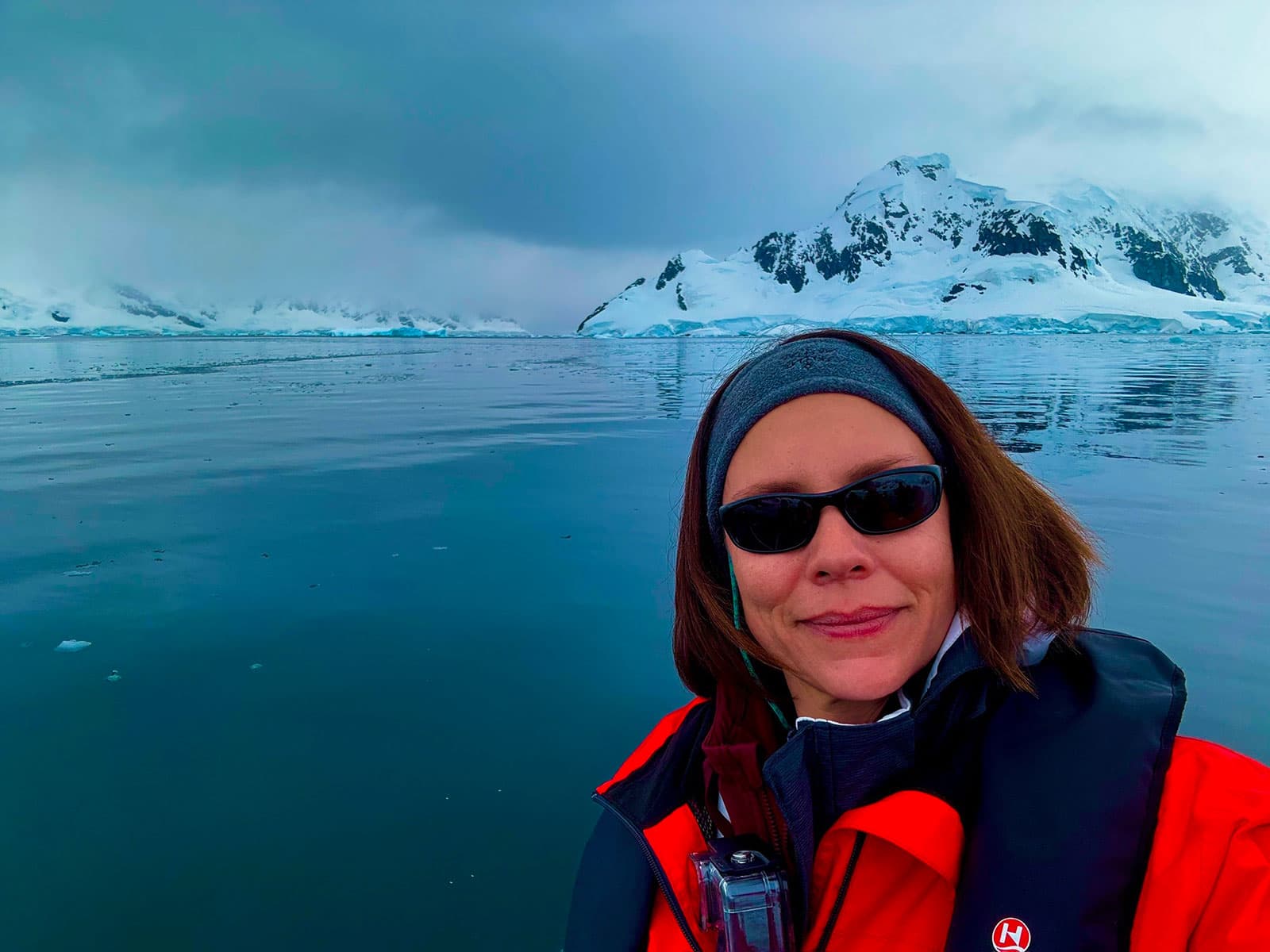
The humpback whales were directly in front of our Zodiac, waving with their tails as they dove down as if they had been waiting for us. This was the moment the math stopped mattering. I had been skeptical when I booked a roughly $13,000 expedition, but out there—with Antarctica around me and whales close enough to make everyone forget about personal space—I knew the experience was worth every cent.
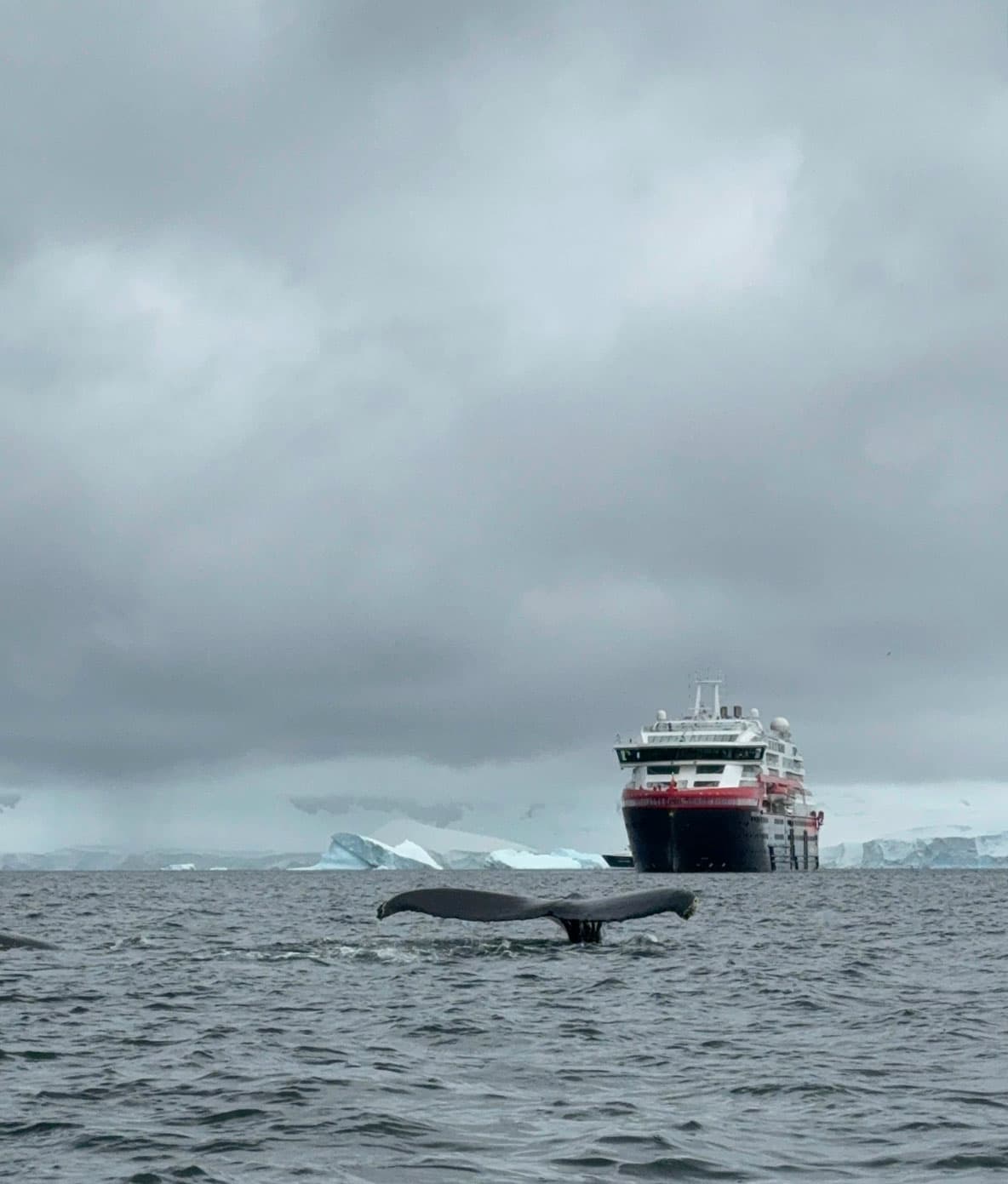
Getting there, however, required the stars to align—and an airline representative willing to help them along.
April and I had booked the trip while I was visiting Hawaii for her retirement. We have known each other since 2004, when she sponsored me at my first duty station as a public affairs specialist at Andrews Air Force Base, Maryland. Years later, during my divorce, she and her family opened their home to me. Antarctica would become a new chapter in that friendship, but before we could reach the White Continent, life gave me several reasons to wonder whether I would go at all.
My mother had been diagnosed with cancer, and I had become her caregiver and driver for treatments. April helped fill gaps in the itinerary while my attention was where it needed to be. My mother finished treatment and gave me her blessing to go. Then, the night before departure, my son wrecked his truck. Thankfully, he was not injured, but the vehicle was no longer drivable. We worked out what needed to happen while I was away because dammit, my mom was doing great and told me I could go!
A winter storm delivered the next complication. I had been cleaning my house and repeatedly checking the airline app when an email told me my flight was canceled. I opened an online chat and called customer service at the same time. The online agent could not help, but the woman on the phone finally asked the question I needed to hear: Could I be at the airport in 30 minutes?
“Yes” came out before I had time to think. I took the fastest shower of my life, grabbed my things, and headed to the airport.
The change put me at Dallas–Fort Worth before April instead of after her. During another delay, we crossed paths with Rene, a public affairs professional we met at Andrews, and caught up over dinner thanks to a Facebook post. It was a small-world pause in a journey headed about as far from home as I could go.
The End of the World Was Only the Beginning
After several days in South America, we joined the expedition group in Buenos Aires. We left our warm-weather luggage at the hotel and took only what we needed for Antarctica. The cruise package included a charter flight to Ushuaia and a visit to Tierra del Fuego National Park before boarding the MS Fridtjof Nansen.
Our charter was delayed three hours. Because roughly half the passengers were on that flight, the ship waited. We still saw the “end of the world,” although at a pace that made the visit feel more like a race. The temperature was cooler and the wind stronger than in Buenos Aires. Before getting off the bus at the port, I had one more scare when I could not find my passport. I had placed it in my jacket instead of its usual pocket in my backpack.
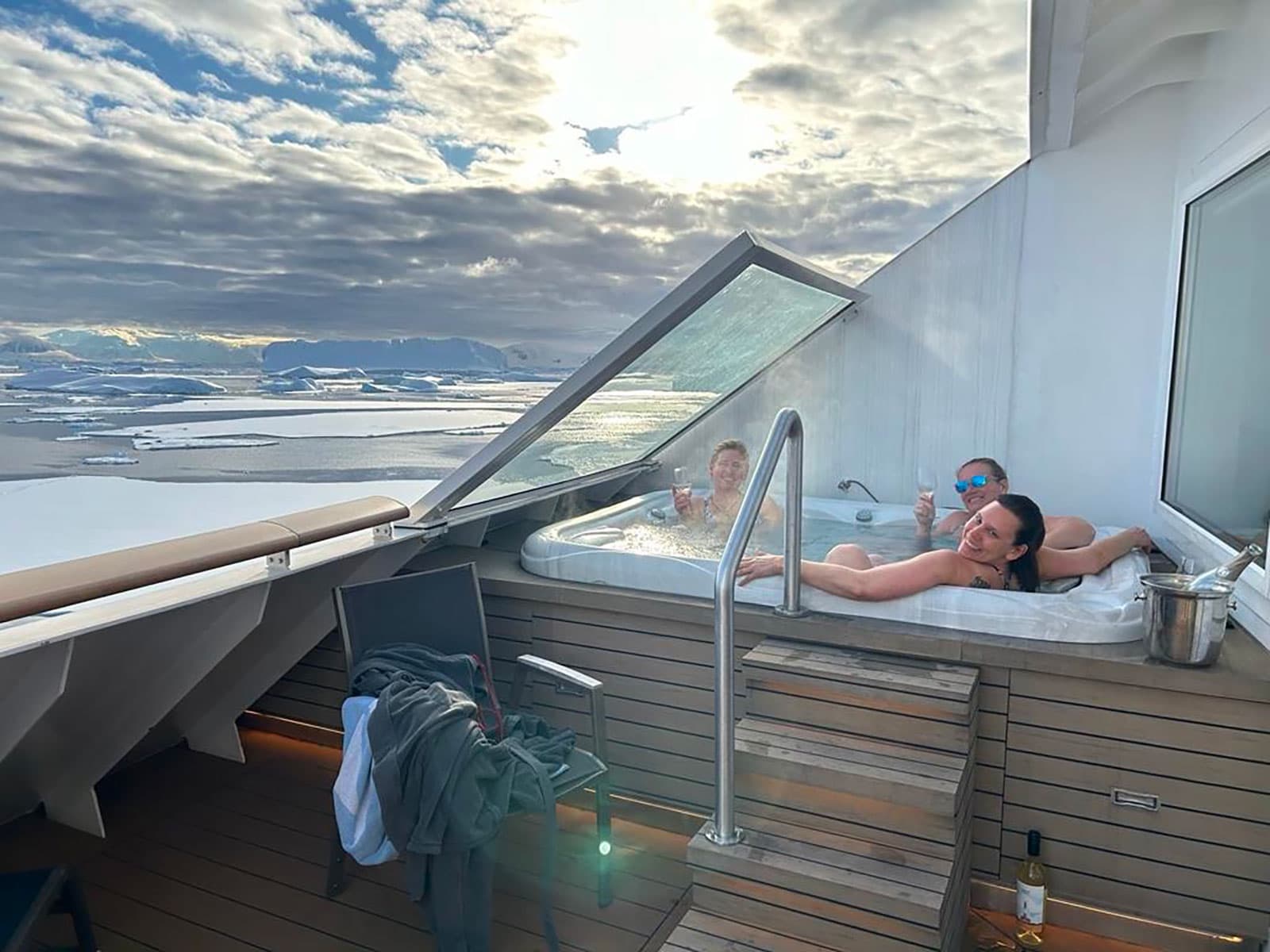
Once aboard, April and I made a simple agreement: this trip cost too much for either of us to miss an experience because the other person did not want to do it. We would share the adventures we both wanted—like kayaking—and separate without hurt feelings when our interests differed. That agreement is part of why we traveled so well together. It also meant that when I was selected as one of only 30 passengers to spend a night ashore in Antarctica, I went, while April stayed in our very warm compact cabin. Our twin beds were so close that I once smacked her in the face while turning over in my sleep, so she may have appreciated the extra room. Our cabin was on the first floor at the very back of the ship.
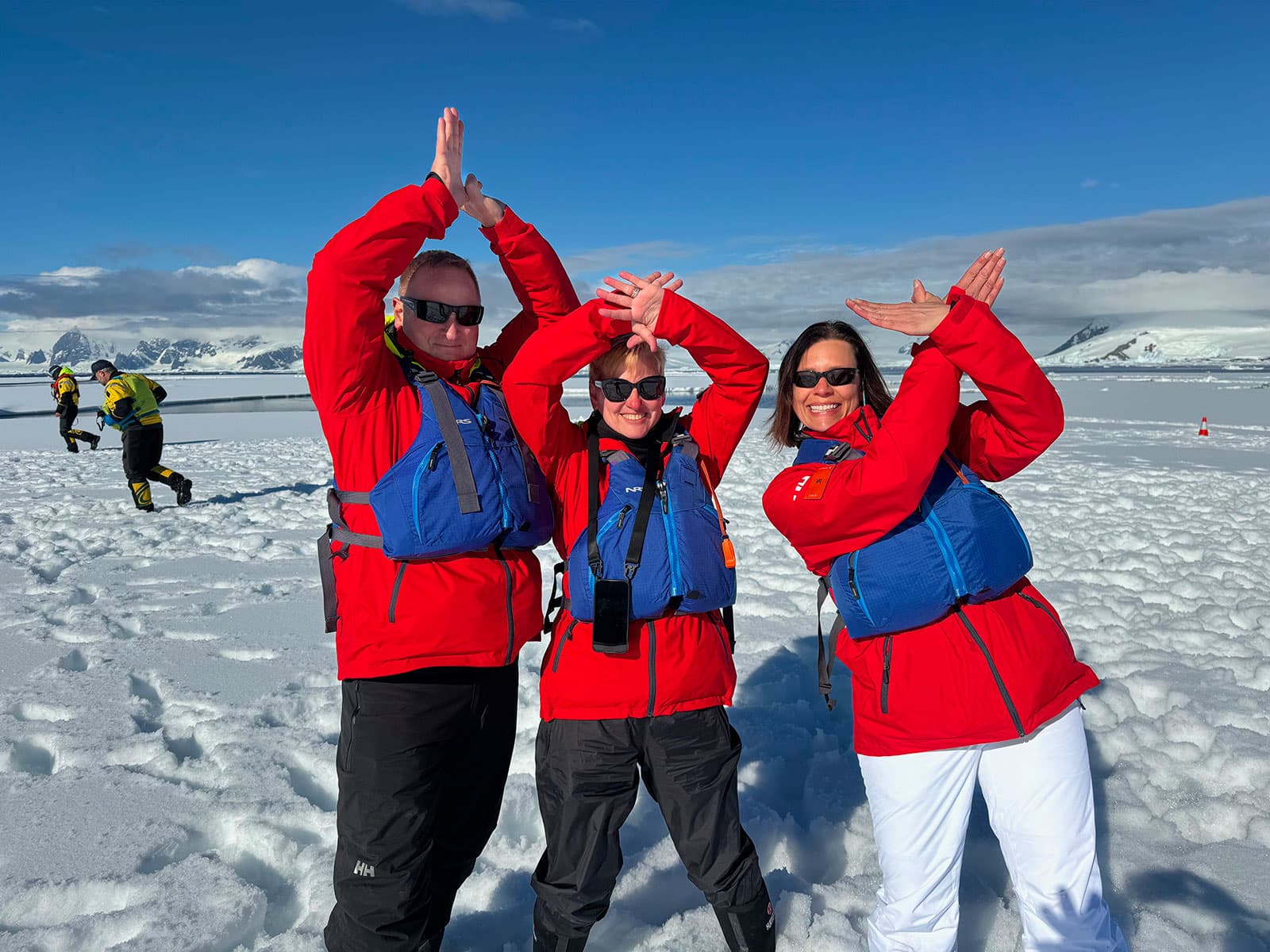
The expedition divided passengers into groups for timed landings and Zodiac rides. We were assigned to the Petrels, along with about a dozen other travelers. That is how we became friends with Jeff and Heather, a couple living in Germany; Jeff is retired Army. Our group created its own call and “gang sign,” and the joking continued throughout the expedition. We even convinced Jeff and Heather to join us on our future Galápagos trip.
The Drake Lake—and Then the Real Drake
The outbound Drake Passage was mild enough that the cruise director called it the “Drake Lake.” The waves were still noticeable, and April—an experienced cruiser who normally had no problem at sea—became sick quickly. I grabbed motion-sickness bags for her and then went back for more, gagging in sympathy as I went. Medication from the ship’s service desk helped her feel better.
I had packed patches, pills, and lozenges in case motion sickness found me. It never did, so anything April wanted, I gladly handed it over. When she asked whether I had taken anything on the way back through and I said no, she informed me that I was not human.
The return crossing was a different story. A major storm forced the ship to leave the Antarctic region early and race back toward Ushuaia. The passengers saw enough red on the weather map to agree with the decision – seriously, I did not hear one complaint. Elevators were closed for a time, and crew members stood at stairways to help keep passengers safe. April felt better when she stayed high on the ship, so she was pretty much planted there until it was time to sleep. I sat on Deck 4 in the science center and read.
That night while we lay in our beds, watched necklaces swing on the wall, we laughed way too much as the ship rocked back and forth and while recording with my phone, I even caught April talking about her boobs swaying from the left to the right – a perfectly hilarious moment recorded and of course shared with the TikTok world.
Antarctica Was Not What I Expected
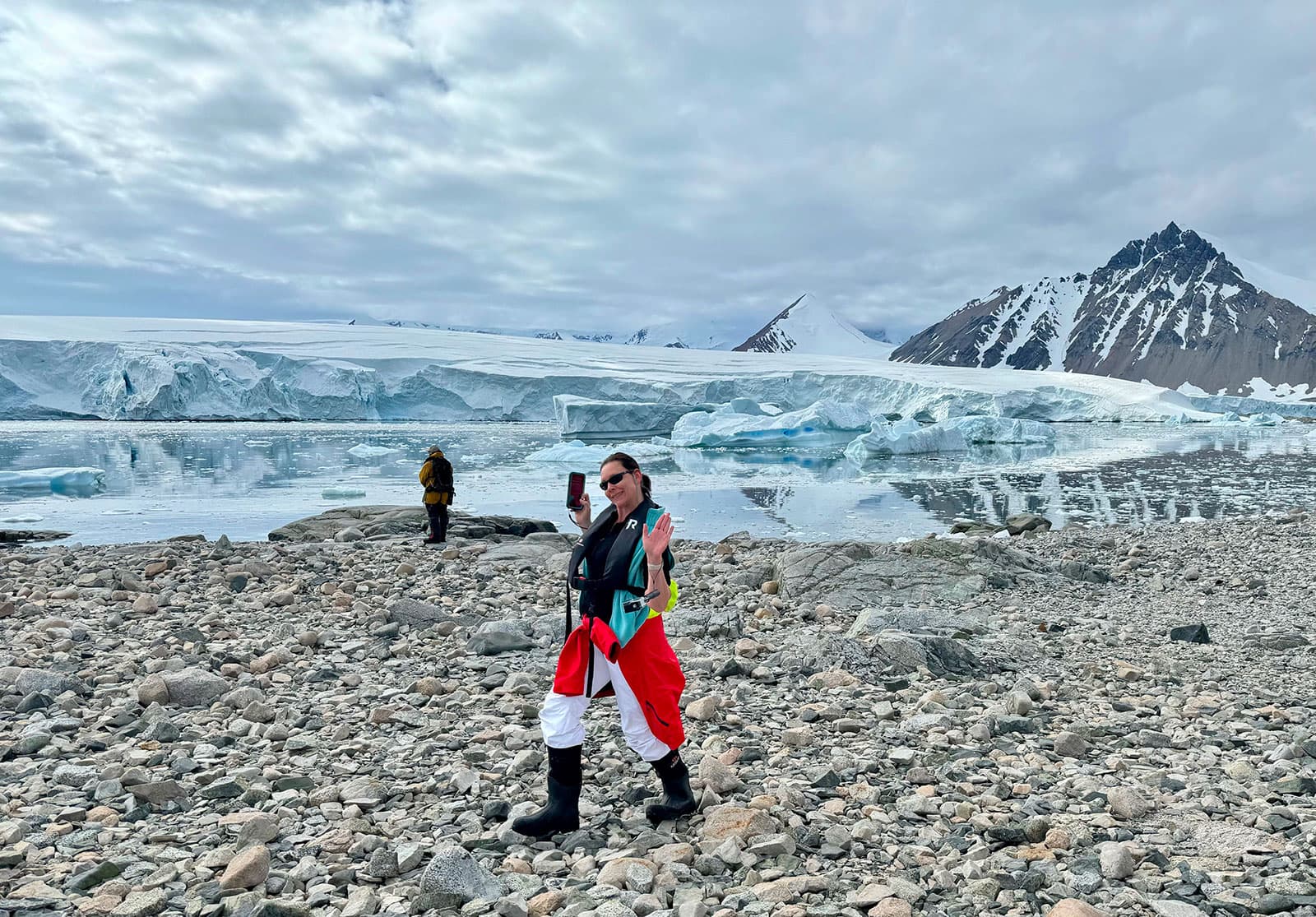
I had imagined Antarctica as dark, relentlessly snowy, bitterly cold, and windy. We had one day that matched that picture, but much of the expedition was sunny. I often began an outing in layers and removed them as soon as we started moving. By the time I reached my base layer, I was pushing up my sleeves and unzipping the top to cool down. This Texan had packed as if she were going to freeze and then wore shorts around the ship.
What stayed consistent was the feeling that the landscape could change at any moment. Expedition plans were explained each evening, but weather, ice, wildlife, and sea conditions determined what was actually possible the following day. The company’s limited communication before the trip had frustrated us. On the ship, the reason for some of that uncertainty became easier to understand: Antarctica does not care about a fixed itinerary.
Every evening, the expedition team briefed us on the next day’s anticipated landing and Zodiac ride, along with lectures about the science and history of the area we expected to visit. Activities—including citizen science, snowshoeing, kayaking, and camping—were requested through the app. Passengers were encouraged to select only two or three, and those chosen were charged the additional fee. This helped spread the limited opportunities among the passengers. April participated in a citizen-science project; I did not.
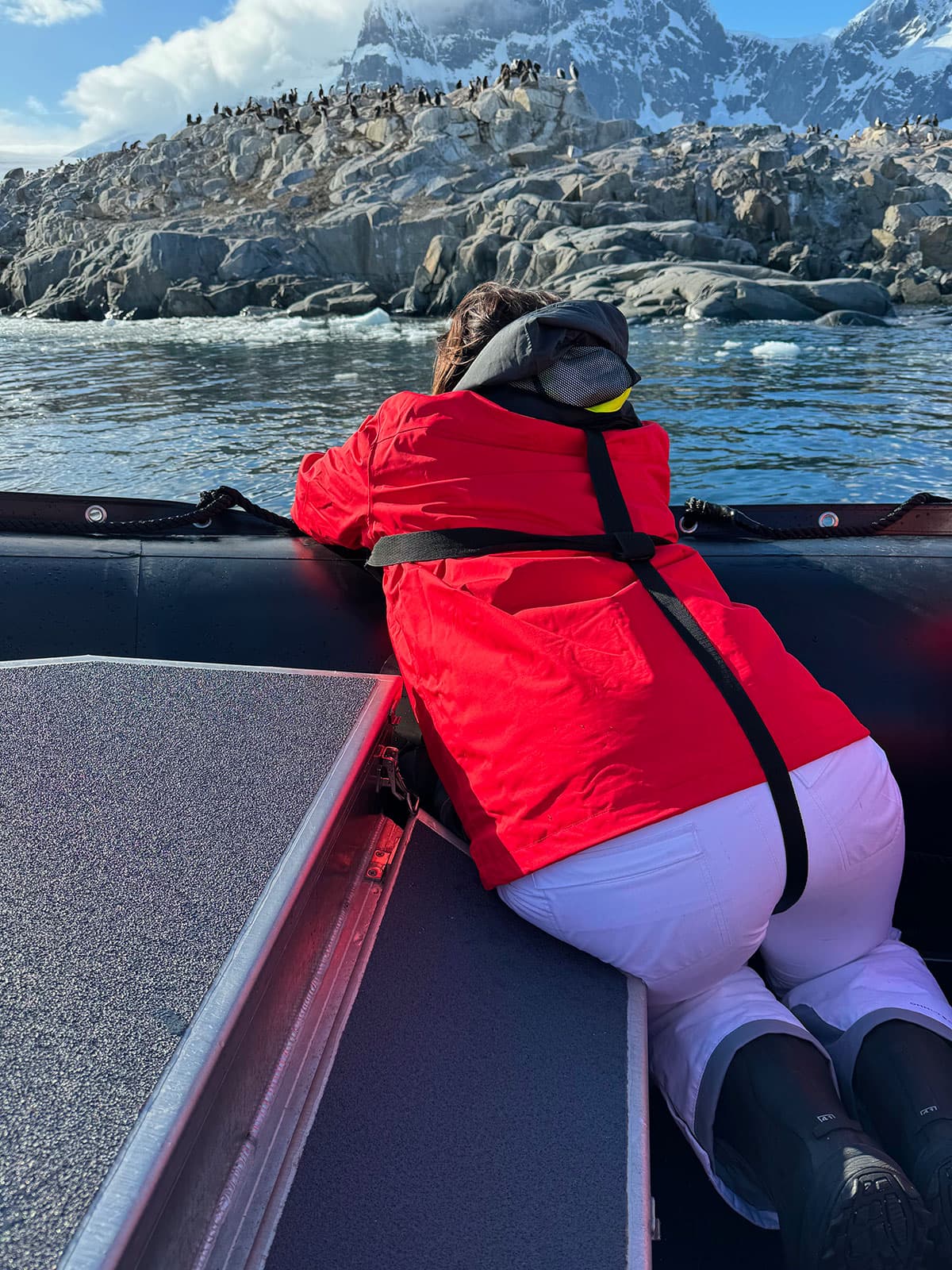
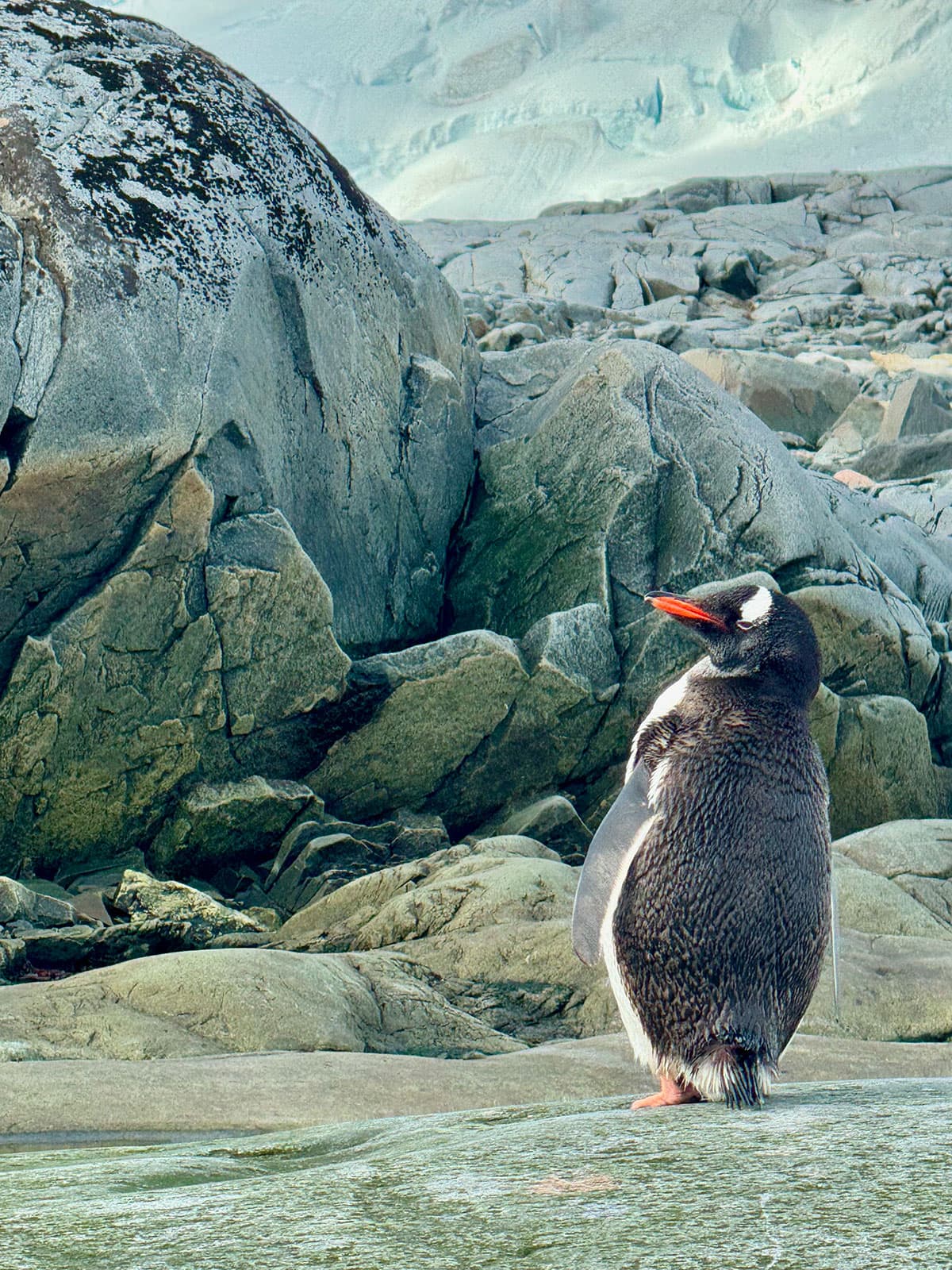
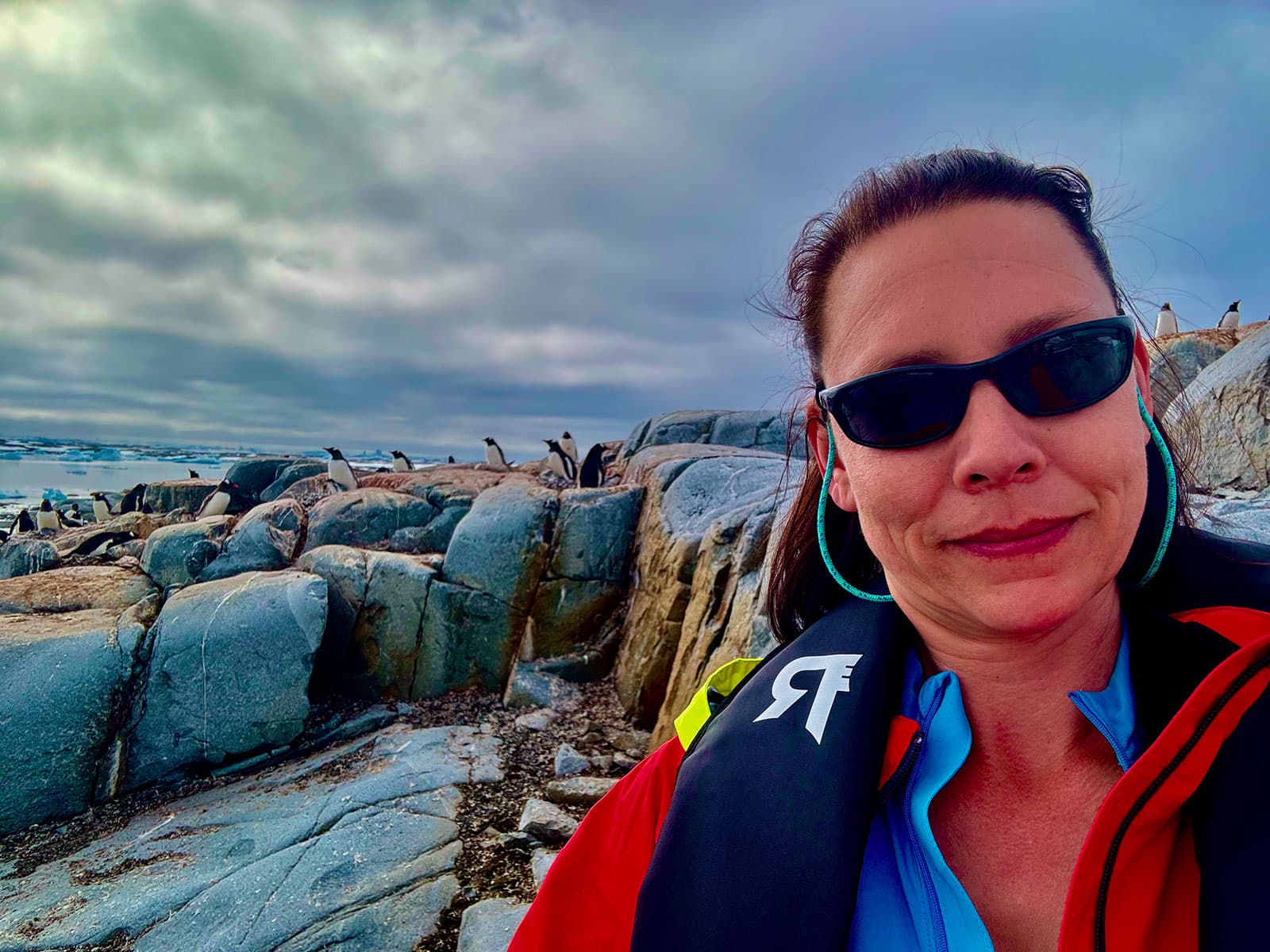
The wildlife was the reward for accepting that uncertainty. We saw Gentoo, Chinstrap, and Adélie penguins; humpback and killer whales; elephant, fur, Weddell, and crabeater seals; and skuas. Penguins walked nearby on their highways and cut through the water while we kayaked. On January 25 at 10:36 a.m., between Nansen and Emma Islands, humpback whales surfaced close to the Zodiacs. At first, a few passengers blocked the view, but the guide corrected the situation so everyone could experience the moment. That mattered. Antarctica was expensive, remote, and difficult to reach; no one should have to see its best moments only through the back of someone else’s jacket or head.
Cold Hands, a Polar Plunge, and a Missing Wingman
Kayaking just south of Millerand Island on January 30 at 5:47 p.m. was surreal—and one of those experiences where inexperience teaches the lesson fast. Gentoo penguins were nearby. When the guide gathered the kayaks together, I decided to stop our kayak from running into another by putting my hands in the water to stop. It was not one of my best moments. We still ended up bumping into another kayak, and I ended up with cold, wet hands. The paddle mitts were already wet, which meant cold, so my hands stayed wet for the rest of the outing. When April mentioned that her hands were cold, the guide kindly gave her his gloves. Meanwhile, the woman who had actually submerged her hands kept paddling.
It hurt, but penguins were walking and swimming nearby, and there was no way I was giving up that experience. When we ended, we were back in the Zodiac, and April saw how red my hands were, and took a picture of it.
The polar plunge at Horseshoe Island on January 31 provided a more deliberate encounter with Antarctic water. In a 24-degree Fahrenheit air temperature, I stripped off my clothes when April announced she would go with me. Her decision meant I had to stand in the cold longer while she prepared. We entered together. To earn the certificate, we had to submerge our bodies all the way to our shoulders. April had the clear path and needed a few tries, while I stood knee-deep in the water yelling for her to go lower. Once she made it, I moved into place focused on the mission at hand.
When we later looked at the photographs, April was making a mad dash out of the water and leaving her wingman behind. I will never let her forget it.
The Night I Stayed Behind
One of the experiences that made this expedition unlike any cruise I had or more than likely will ever take was being selected as one of 30 passengers permitted to spend the night ashore on Hogvaard Island from January 27 to 28. Before any drawings were done, all interested passengers were required to sit in on the briefing. During the hour-long briefing, the guides explained what would be taken, how we set up tents, and the fact that we were only allowed to urinate – behind a makeshift privacy wall made of snow – in a 5-gallon bucket, and that bucket along with anything else was required to be brought back on the ship. The only thing allowed to be left behind was our footprints.
We gathered around 10 p.m. and traveled ashore by Zodiac. The ship moved out of sight but remained close enough to respond in an emergency. Because I was traveling without April for the activity, I was partnered with another woman. The expedition supplied what we needed, which was basically a tent and sleeping bag, and we pitched our tents together.
Once camp was ready, we hiked up a hill, where a guide read a poem about the people who explored Antarctica and the sacrifices they made. It never became completely dark. Many of us remained on the hill, simply taking in the beauty. On the way down, snow slipped into one of my boots and my toes became cold.
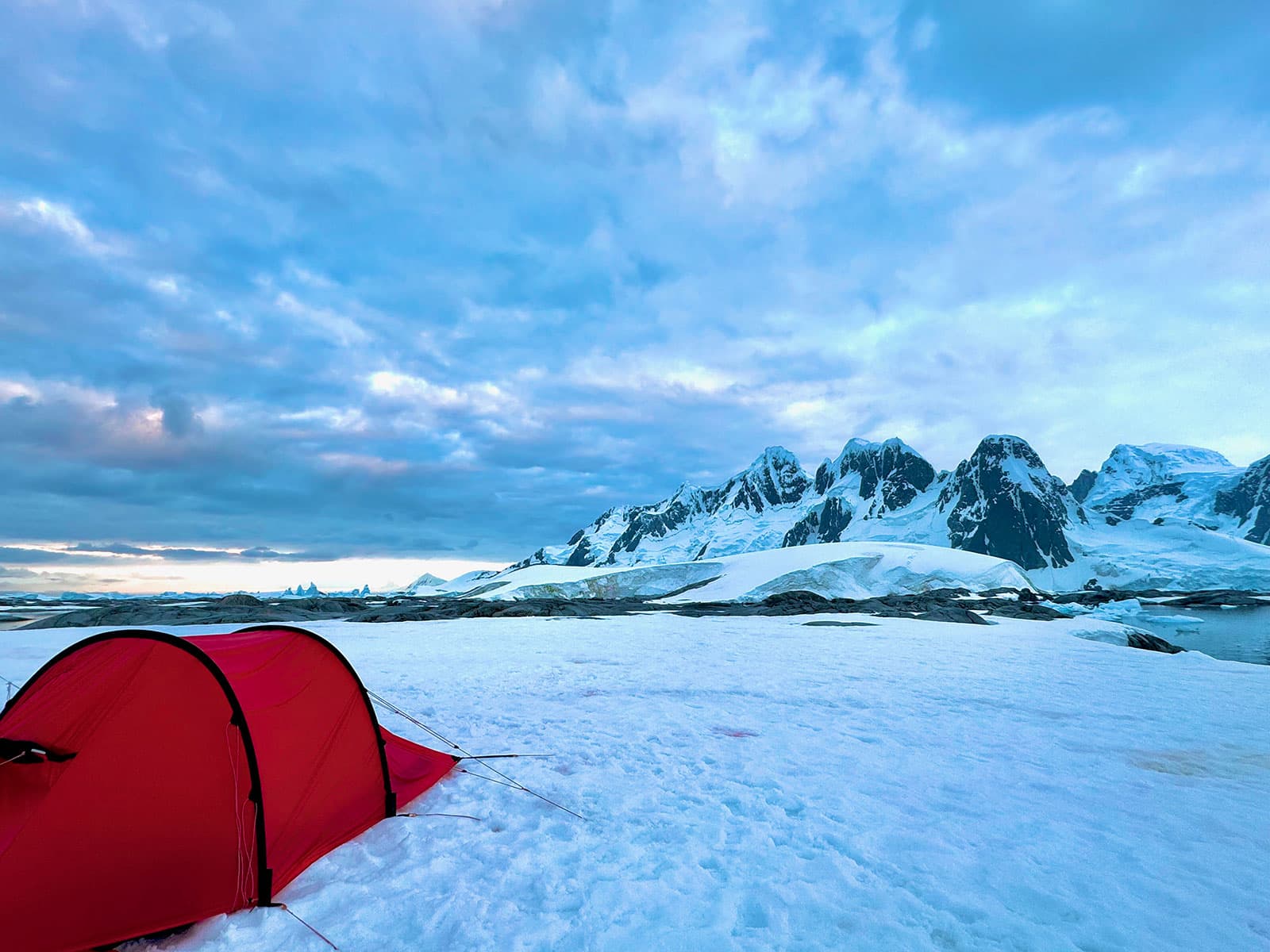
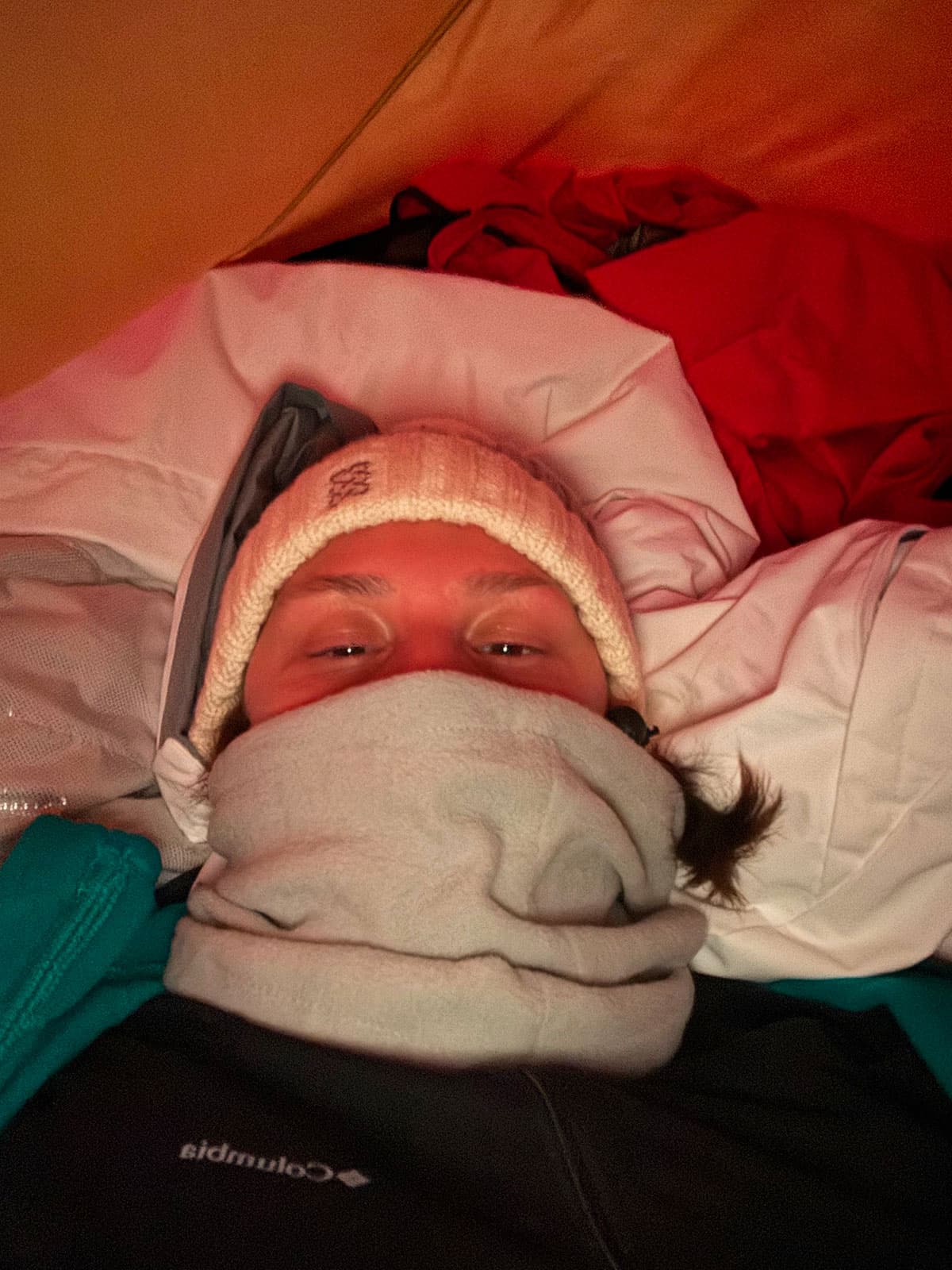
When the rest of the group called it a night, I layered on everything I had brought and slept for a few hours. I did have to use the bucket restroom once. During the night, we heard whales singing. In the morning, we packed every item and waited for the ship and Zodiacs to return. The crew welcomed us with warm drinks and breakfast. Then we went back to sleep for a few more hours. We were exhausted, but it was the most amazing experience.
What the White Continent Left With Me
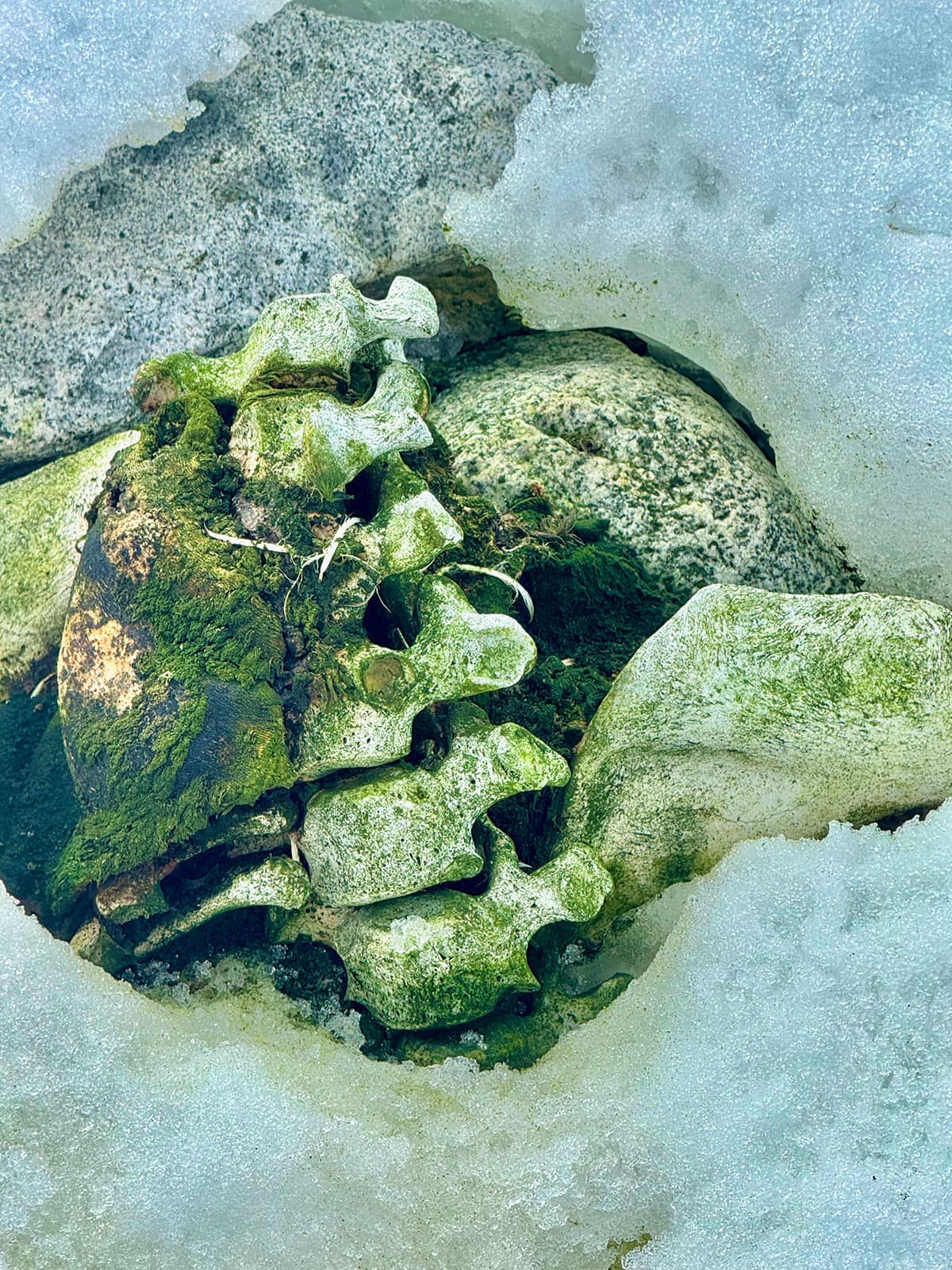
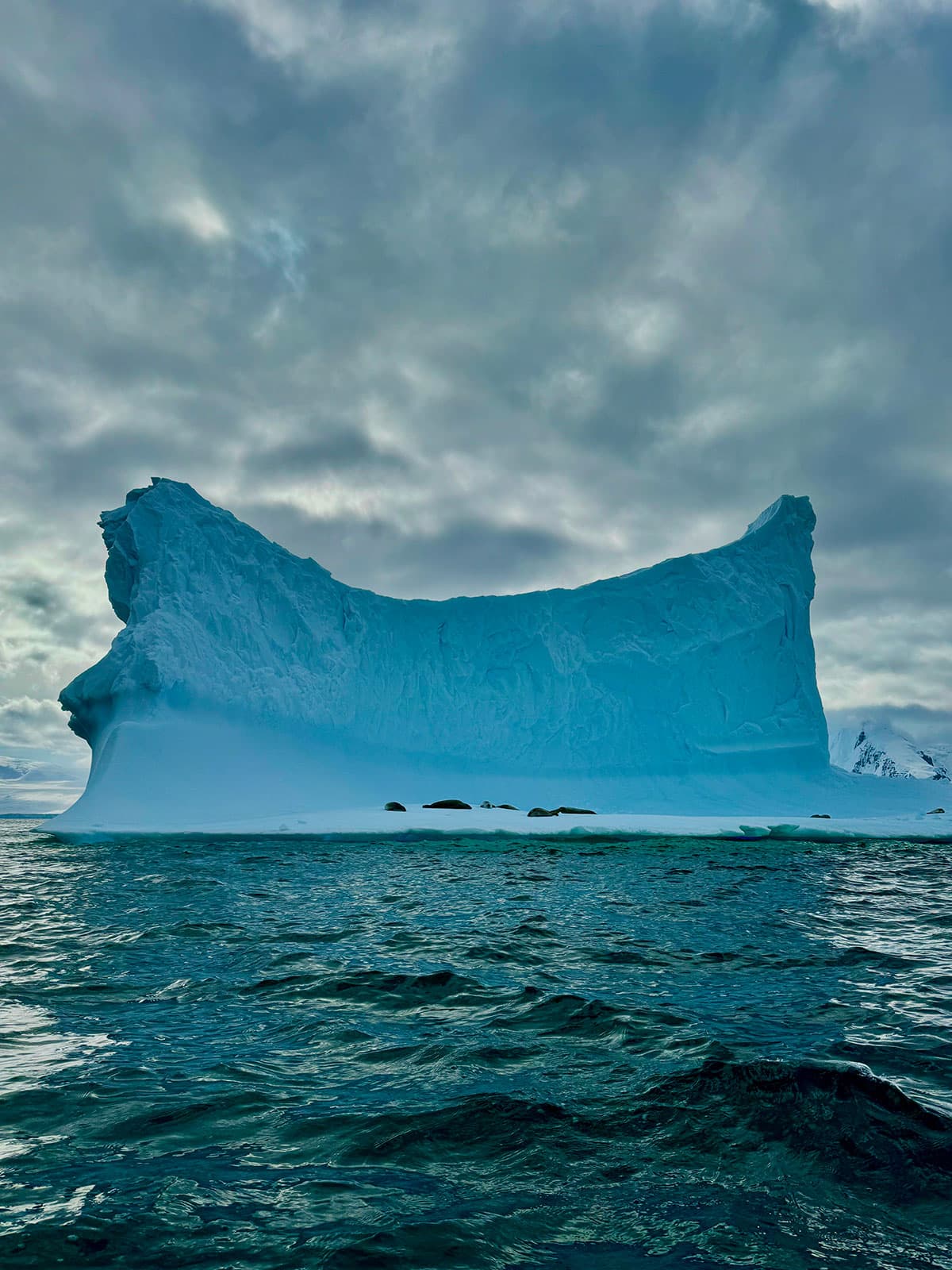
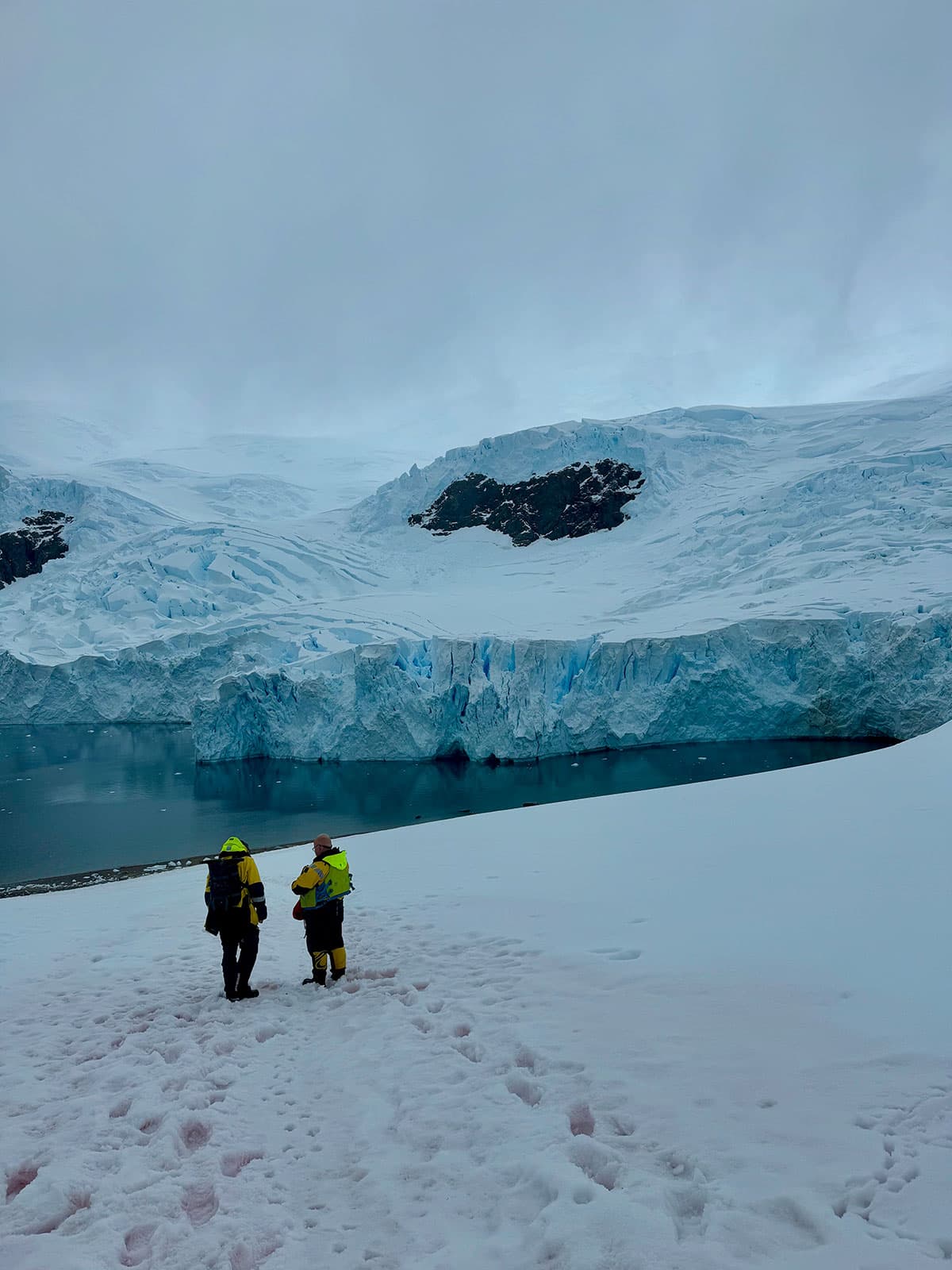
Antarctica was thrilling, but it also made me sad. Ice calving occurred while we explored. We could hear it before we could see it. At some locations, guides kept watch in case conditions changed and we needed to return quickly to the ship. I saw areas where the ice had melted through and algae was visible. Seeing the scale of the ice while thinking about how quickly the environment is changing made the continent feel both powerful and vulnerable. I was grateful to witness it and became more aware that visiting a place this fragile carries a responsibility to follow the rules and leave as little impact as possible.
The expedition returned to Ushuaia a day early to avoid the storm, although we slept aboard that final night and had time to explore before flying back to Buenos Aires. Leaving the ship was emotional. Some crew members were teary-eyed because friendships had formed during the voyage. April and I had begun the trip frustrated by the company’s predeparture communication, yet we valued the onboard experience enough to book another expedition with them to the Galápagos.
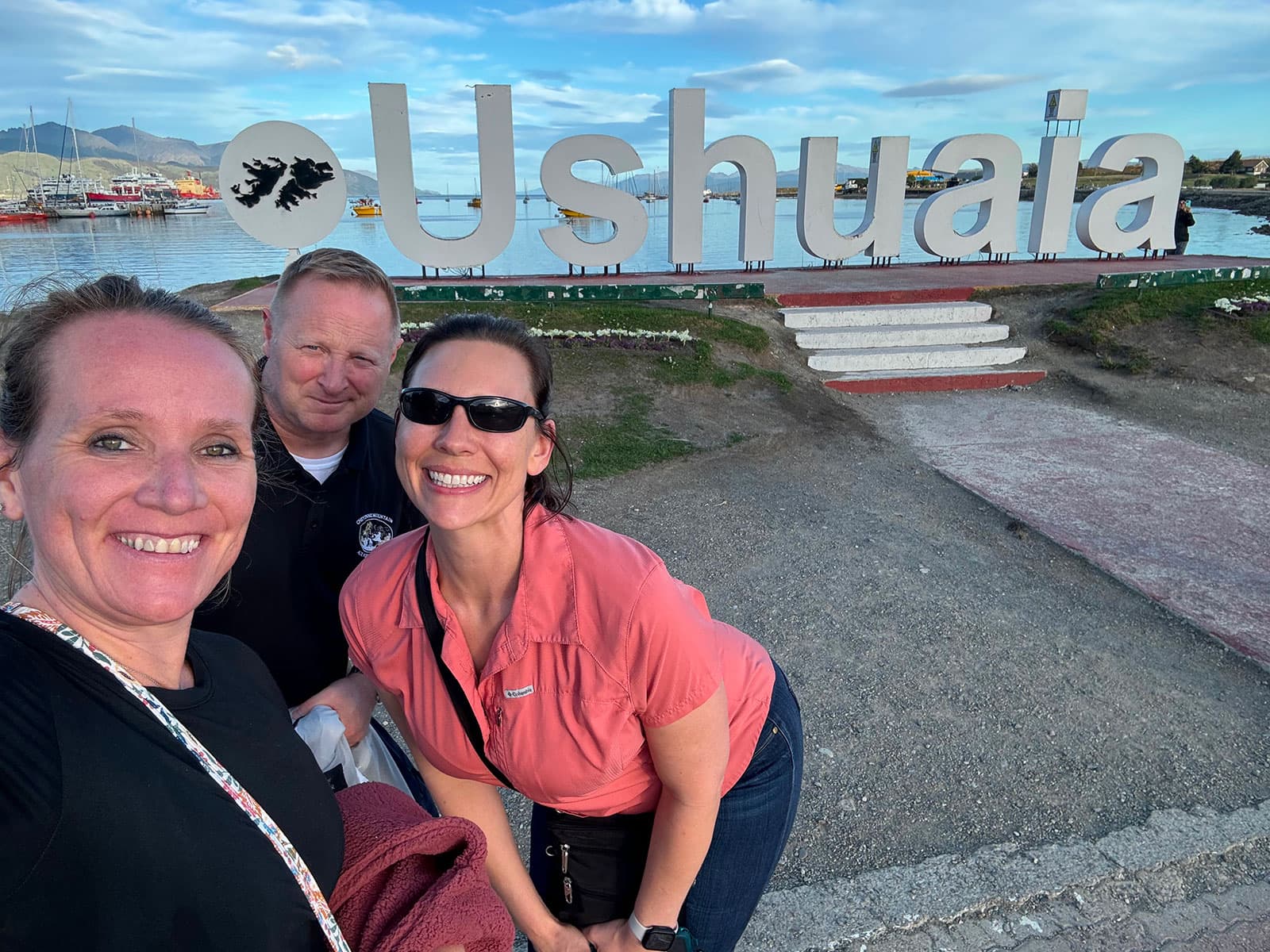
Antarctica became my sixth continent. Australia—the place I had dreamed about the longest—was the one remaining, which would be checked off for my birthday in 2025.
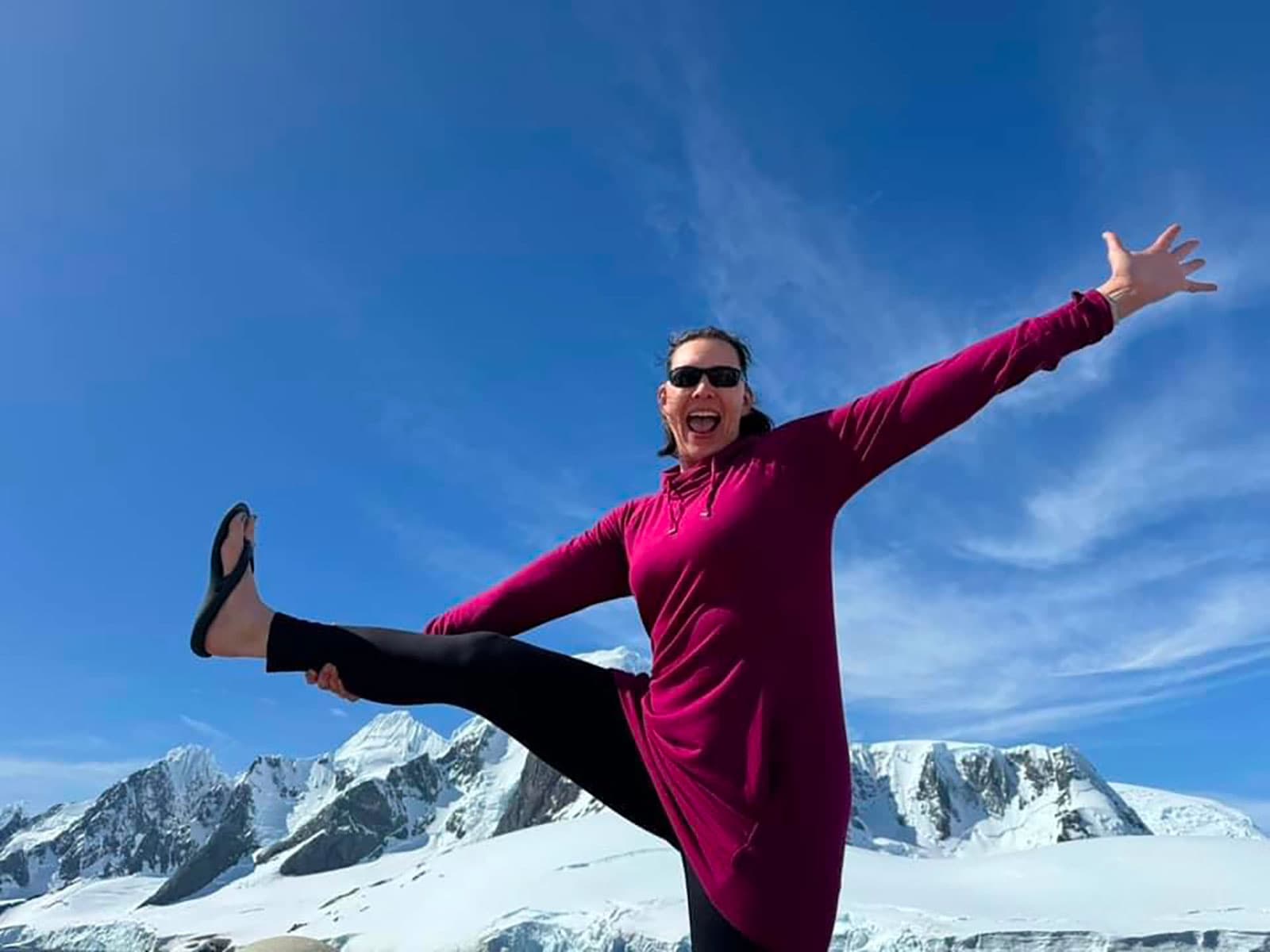
My verdict is simple: if you can afford it, love wildlife, and can accept that nature—not your itinerary—will make the final decisions, Antarctica is a once-in-a-lifetime trip worth taking. I would do it again, and I just might! The whales alone were worth the journey, but the memories that remain strongest are just as much about friendship: April sharing the cold water, abandoning her wingman at the finish, surviving the Drake in her own way, and understanding that sometimes the best way to travel together is to give each other room to have separate adventures.
Practical Notes From My 2024 Trip
The expedition package aboard the MS Fridtjof Nansen ran from January 22 through February 7 and cost approximately $13,000 per person for our shared cabin. It included the hotel stay before the charter flight, Tierra del Fuego, the cruise, and the return flight to Buenos Aires. My round-trip airfare between San Antonio and Buenos Aires was $2,272.17. These are personal records from the 2024 trip, not current prices.
The expedition charter had strict baggage limits in our trip materials: one checked bag weighing no more than 50 pounds, one carry-on weighing no more than 17 pounds, plus a personal item. Travelers should confirm the limits for their own expedition and flights.
The ship provided expedition boots, a jacket, and a water bottle. We kept the jacket and water bottle and returned the boots. I wore two pairs of socks rather than separate boot liners. The supplied outer jacket was lighter than I had expected, so layers still mattered. Extra gloves and hats were useful because small items can easily be misplaced or get wet.
We mistakenly believed laundry service was included with our cabin. It was not. We washed clothing in the shower and used the heated bathroom floor to help it dry. Confirm exactly what your cabin includes before relying on a service.
A medical clearance process is required for this expedition. Requirements can change, so travelers should obtain the current instructions directly from their expedition operator and discuss sea travel and remote conditions with their own healthcare professional.